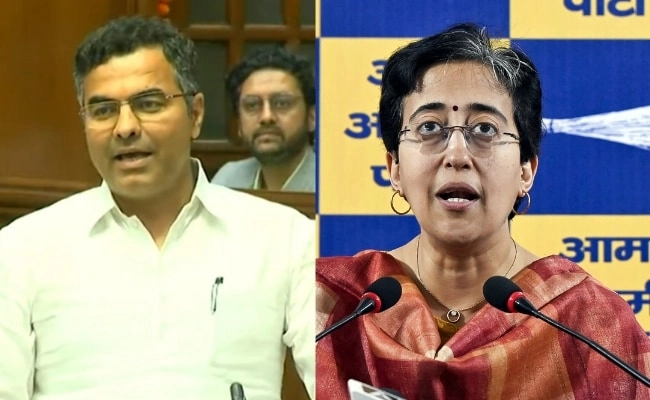
The recent exchange between Parvesh Verma and Atishi in the Delhi Assembly has sparked significant attention, particularly due to Verma’s controversial remarks referring to Atishi as “Bhai.” This incident unfolded during a heated debate in the assembly, where political rivalries often lead to intense confrontations. Verma, a member of the Bharatiya Janata Party (BJP), seemingly intended to undermine Atishi, who is associated with the Aam Aadmi Party (AAP), through his choice of words. Such comments not only reflect the competitive nature of politics but also highlight the ongoing tensions between the two parties as they vie for influence in the national capital.
Atishi, known for her articulate defense of her party’s policies and initiatives, responded to Verma’s comment with a mixture of indignation and critique, emphasizing the need for respectful dialogue within the assembly. She argued that derogatory remarks, regardless of intent, undermine the dignity of the legislative process and distract from the pressing issues that the assembly should address. In a political landscape where gender dynamics often play a significant role, Atishi’s response also brought attention to the challenges women face in male-dominated political arenas. Her insistence on decorum and respect in political discourse resonated with many, reflecting a growing demand for accountability among elected officials.
The incident has reignited discussions about the decorum expected in legislative debates and the broader implications of language used by politicians. In an era where social media amplifies every comment made by public figures, how politicians communicate can have lasting consequences on their public image and the public’s perception of the political environment. Verma’s choice of language has drawn criticism not only from Atishi’s supporters but also from those who advocate for a more respectful political dialogue, regardless of party affiliation. As the Delhi Assembly continues to be a battleground for political ideologies, this incident serves as a reminder of the importance of maintaining civility and respect among representatives, especially in a diverse and democratic society.
In conclusion, the verbal sparring between Parvesh Verma and Atishi underscores the complexities of political communication in contemporary India. It raises questions about gender dynamics, the expectations of political conduct, and the broader cultural implications of language in politics. As the assembly session progresses, it remains to be seen how this incident will influence the ongoing discourse and whether it will prompt a shift towards more respectful interactions among lawmakers. The episode not only reflects the intense rivalries in Delhi’s political landscape but also serves as a call for greater accountability and integrity in public office.