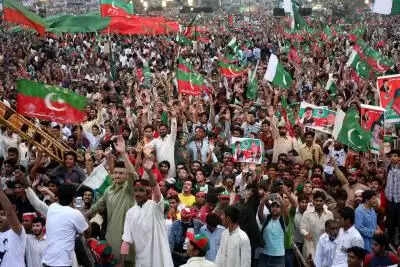
The Pakistani government has faced severe criticism for its use of force against supporters of Imran Khan, the former Prime Minister and leader of the Pakistan Tehreek-e-Insaf (PTI) party. The situation escalated as law enforcement agencies clashed with Khan’s supporters during protests and rallies, which were organized in response to his ousting from power earlier this year. Many observers, including political analysts and human rights organizations, argue that the government’s actions represent a significant violation of the rights to peaceful assembly and free expression.
Critics have pointed out that the heavy-handed approach taken by the authorities not only undermines democratic principles but also exacerbates political tensions in the country. Reports of excessive use of force, including baton charges and tear gas, have sparked outrage among Khan’s followers and raised concerns about the government’s commitment to upholding civil liberties. International human rights groups have called for an independent investigation into the incidents, emphasizing the need for accountability for those who perpetrate violence against peaceful demonstrators.
The ongoing conflict between the government and Khan’s supporters highlights the fragile state of democracy in Pakistan. Many citizens are now questioning the government’s legitimacy and its capacity to maintain stability in the face of widespread dissent. The situation reflects a broader struggle for power and influence in the country, where political divisions have become increasingly polarized. As tensions continue to rise, it is crucial for all parties involved to engage in dialogue and seek peaceful resolutions to the ongoing crisis, rather than resorting to violence and repression.