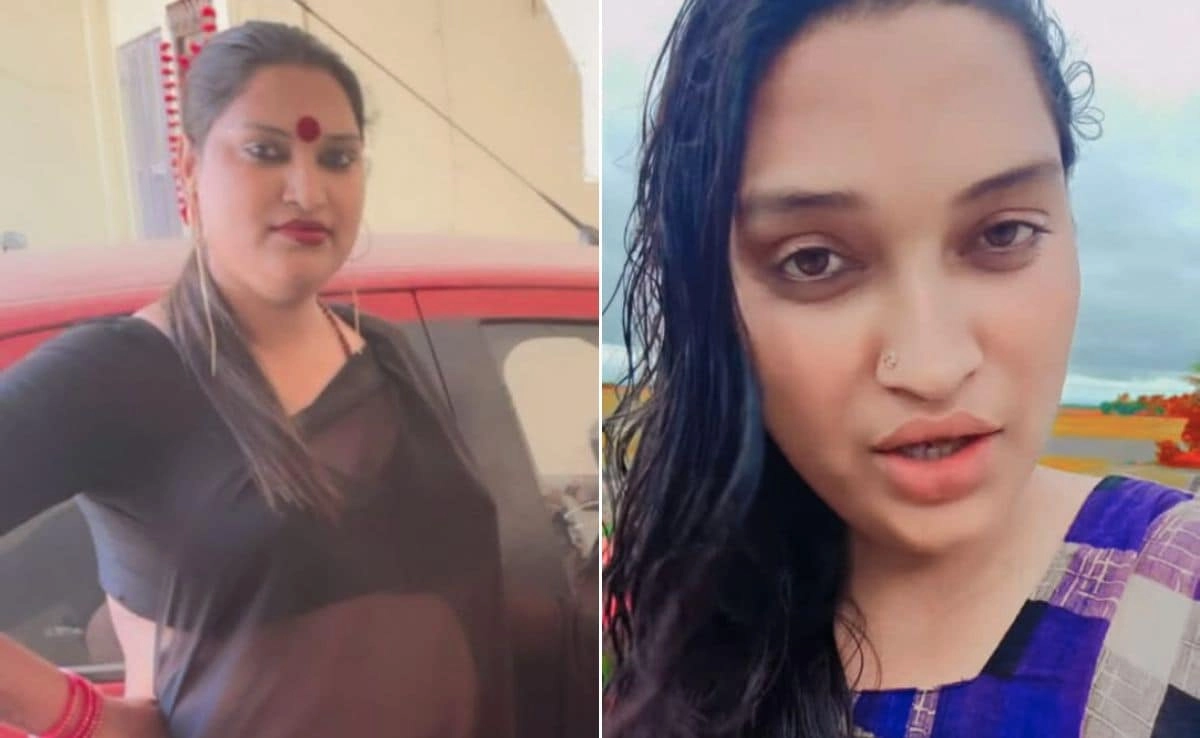
In a surprising turn of events, a woman named Neha, who had been living in India for the past ten years, was recently revealed to be a Bangladeshi man named Abdul. The story has captured public attention and raises important questions about identity, immigration, and the complexities surrounding nationality in a region marked by significant socio-political issues. Neha, who had seamlessly blended into Indian society, had established a life that included work, friendships, and a community that accepted her as one of their own.
This revelation sheds light on the lengths to which individuals might go to escape circumstances in their home countries. Abdul’s transformation into Neha reflects a profound desire for a better life, one that many people in the region pursue amidst economic hardships and political instability. His story highlights the broader themes of migration, identity, and the search for belonging, which resonate with countless others who face similar challenges.
The implications of this case extend beyond the individual, prompting discussions about the systems in place for verifying identity and nationality. It raises concerns about how easily someone can navigate borders and integrate into a new society, often without rigorous checks. In a country like India, which has a complex relationship with its neighbors, this incident serves as a reminder of the nuanced and often contentious nature of citizenship and belonging in South Asia.
As Abdul’s story unfolds, it presents an opportunity for society to reflect on its values and attitudes towards migrants and refugees. It encourages a dialogue on empathy, understanding, and the importance of recognizing the humanity in each person, regardless of their origins. Ultimately, this unexpected revelation serves as a microcosm of the broader challenges facing individuals in a world where identity can be both fluid and contentious.