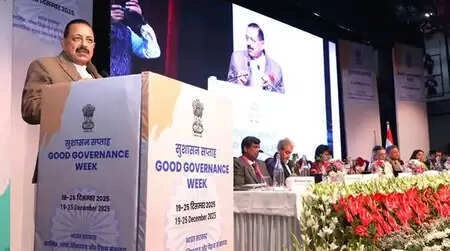
The Modi government has taken significant strides towards good governance by introducing five key digital reforms. These initiatives aim to enhance transparency, efficiency, and accountability in the functioning of various government departments. By leveraging technology, the government seeks to streamline processes, reduce bureaucratic hurdles, and improve access to services for citizens. This move is not only a step towards modernizing governance but also aligns with the broader vision of a digital India.
The first reform focuses on digitizing public services, making them more accessible to the common man. By implementing online platforms, citizens can now avail themselves of various services without the need for physical visits to government offices. This shift not only saves time but also minimizes the opportunities for corruption and red tape. Additionally, it empowers citizens by providing them with the necessary tools to track their applications and obtain information at their convenience.
Another crucial aspect of these reforms is the emphasis on data management and security. The government is investing in robust digital infrastructure to ensure that sensitive information is protected while also being utilized effectively for decision-making. This commitment to data integrity is vital for building trust between citizens and the government, as it reassures people that their information is safe and used responsibly.
Moreover, the introduction of these digital reforms is expected to foster greater collaboration between various government departments. By breaking down silos and encouraging inter-departmental communication, the government can ensure a more coordinated response to public needs. This holistic approach not only improves service delivery but also enhances the overall governance framework, making it more responsive and accountable.
In conclusion, the Modi government’s move to implement these five digital reforms represents a significant leap towards good governance. By embracing technology and prioritizing transparency, efficiency, and citizen engagement, the government is paving the way for a more modern and effective administrative system. This initiative not only reflects a commitment to improving public services but also signals a broader transformation in how governance is perceived and executed in India.