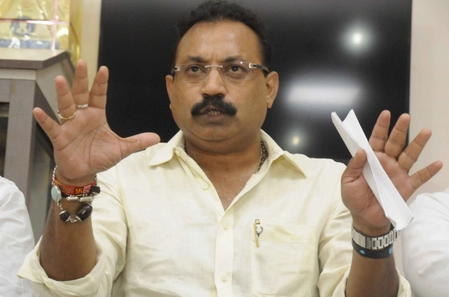
In a recent statement, Minister Ashok Chaudhary took a sharp dig at RJD leader Rabri Devi, questioning the efficacy of her leadership in ensuring the safety of women. He highlighted a stark contradiction in her claims of being concerned about women’s issues while failing to provide adequate safety for daughters-in-law and daughters within her own jurisdiction. This criticism underscores a significant political discourse regarding women’s safety and the responsibilities of leaders in addressing these concerns.
Chaudhary’s remarks reflect a growing frustration among the populace regarding the security of women in society. With rising incidents of violence and harassment against women, the expectation from political leaders is to not only acknowledge these issues but also take tangible steps to ensure safety and empowerment. The minister’s comments are indicative of a broader narrative where political figures are held accountable for their promises and the reality on the ground.
Rabri Devi, known for her political legacy, now faces scrutiny over these pressing issues. The juxtaposition of her public persona as a champion for women’s rights against the backdrop of safety concerns raises questions about the effectiveness of past administrations in safeguarding women’s interests. As the debate unfolds, it highlights the urgent need for comprehensive policies and actions that genuinely protect women and empower them in society.
In conclusion, this political exchange sheds light on the critical issue of women’s safety and the responsibilities of leaders. It serves as a reminder that rhetoric alone is insufficient; concrete actions are necessary to foster an environment where women feel safe and valued. The call for accountability among political leaders remains pertinent as society continues to grapple with the challenges of gender-based violence and discrimination.