
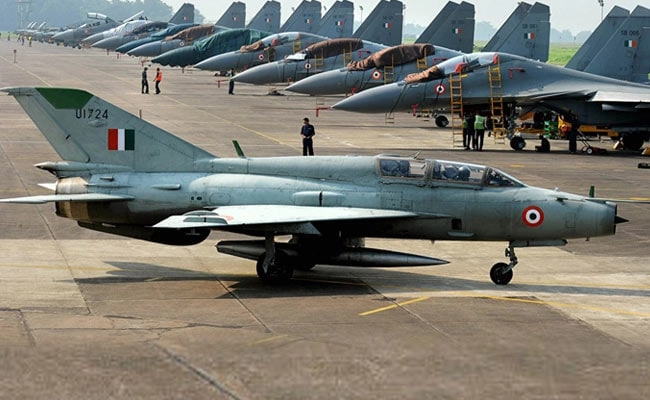
The MiG-21, a prominent fighter jet that has served as the backbone of the Indian Air Force (IAF) for decades, is set to be phased out in September. This iconic aircraft, often referred to as a “workhorse,” has played a crucial role in various operations and has been instrumental in maintaining India’s air defense capabilities since its induction. First introduced in the 1960s, the MiG-21 has undergone numerous upgrades over the years, adapting to the evolving demands of aerial warfare. Despite its age, the aircraft’s agility and speed have made it a formidable opponent in the skies, contributing significantly to India’s military prowess.
Over the years, the MiG-21 has been involved in numerous significant missions, including combat operations during the Indo-Pak wars and various peacekeeping missions. Its ability to operate from short airstrips has been a strategic advantage, allowing the IAF to deploy it in diverse environments. However, as military technology has advanced, the MiG-21 has faced increasing competition from newer, more technologically advanced aircraft. The decision to retire this veteran fighter jet comes as part of the IAF’s broader modernization efforts, aimed at enhancing its operational efficiency and effectiveness in contemporary warfare scenarios.
The phase-out of the MiG-21 marks the end of an era for the Indian Air Force. Many pilots and ground personnel who have worked with the aircraft have shared their fond memories and experiences, underscoring the MiG-21’s legacy in Indian aviation history. As the IAF transitions to more advanced platforms, such as the indigenous Tejas fighter jet and other modern aircraft, the phasing out of the MiG-21 represents both a farewell to a storied past and a step towards a more capable future. While the MiG-21 will be missed, its contributions to national defense will be remembered as the IAF embraces new technologies and strategies to meet the challenges of modern aerial combat.


