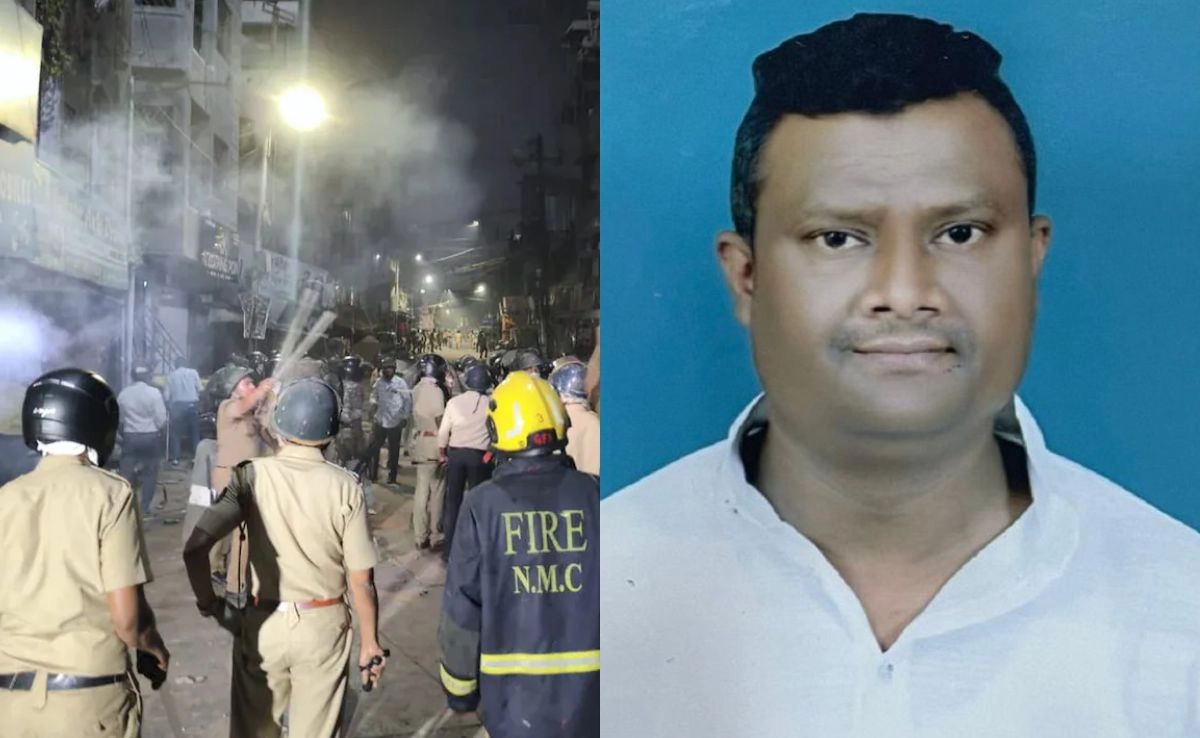
Local politician Faheem Khan has been arrested in connection with accusations of inciting violence in Nagpur, a city that has been grappling with rising tensions in recent months. The arrest follows a series of violent incidents that erupted in the area, which authorities believe were fueled by Khan’s inflammatory speeches and actions. Law enforcement officials have stated that Khan was a key figure in stirring unrest, leading to clashes between different community groups. His alleged role in these events has drawn significant attention from both the media and the public, highlighting the ongoing issues of political influence in communal conflicts.
The violence in Nagpur has raised concerns about the stability of the region and the potential for further unrest. Local residents have expressed fear and frustration over the situation, as many have been caught in the crossfire of these clashes. Community leaders are calling for calm and urging citizens to refrain from violence, but the arrest of a prominent local figure like Khan could either exacerbate tensions or serve as a catalyst for restoring order, depending on how it is received by the populace.
Khan’s arrest has sparked a wider debate about the responsibilities of politicians in maintaining peace and the role of rhetoric in inciting violence. Critics argue that political leaders must be held accountable for their words and actions, particularly in a diverse society where communal harmony is essential. Supporters of Khan, on the other hand, claim that he is being targeted for his political beliefs and assert that the charges against him are politically motivated. As the situation unfolds, the implications of this arrest will likely resonate beyond Nagpur, prompting discussions on political accountability and the impact of incendiary rhetoric in India’s complex social landscape.
As investigations continue, authorities are taking measures to ensure that further violence does not occur. Increased police presence in the area aims to deter any potential outbreaks of unrest, while community dialogues are being organized to address the root causes of the conflict. The government has emphasized the importance of unity and understanding among different groups in the community, urging citizens to come together in the face of adversity. The outcome of Khan’s case may set a precedent for how similar situations are handled in the future, making it crucial for both the political landscape and public sentiment as the region navigates its challenges.