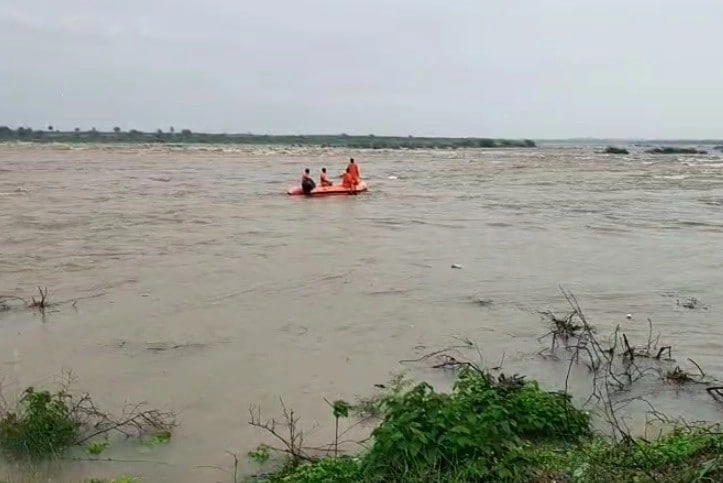
According to recent findings from the World Bank, India will require a staggering investment of $2.4 trillion to develop and enhance its climate infrastructure by the year 2050. This substantial financial commitment is essential for the country to effectively combat the impacts of climate change while promoting sustainable development. As one of the most vulnerable nations to climate-related challenges, such as rising sea levels, extreme weather events, and shifting agricultural patterns, India must prioritize investments in climate resilience to safeguard its economy and the livelihoods of its citizens.
The World Bank’s report highlights the urgent need for a robust framework that integrates climate-friendly practices across various sectors, including energy, transportation, and urban development. With a growing population and rapid urbanization, India faces significant challenges in ensuring sustainable growth while minimizing its carbon footprint. The projected investment will not only support the transition to renewable energy sources but also enhance infrastructure that can withstand the increasingly severe impacts of climate change. This includes building resilient roads, bridges, and public transportation systems that can endure extreme weather conditions.
Moreover, the financial requirements outlined in the report underscore the importance of collaborative efforts between the Indian government, private sector, and international organizations. Mobilizing such a vast amount of capital will necessitate innovative financing solutions, including public-private partnerships and green bonds, to attract investment. The World Bank emphasizes that timely action is crucial, as delaying these investments could exacerbate the economic and social costs associated with climate change, ultimately hindering India’s growth prospects.
In conclusion, India’s journey towards climate resilience is not just a challenge but also an opportunity for sustainable development. By committing to the necessary investments in climate infrastructure, the nation can not only protect its environment but also create a more sustainable and equitable future for its people. As the clock ticks towards 2050, the urgency for action has never been greater, and the need for comprehensive strategies that address both climate and economic goals is paramount.