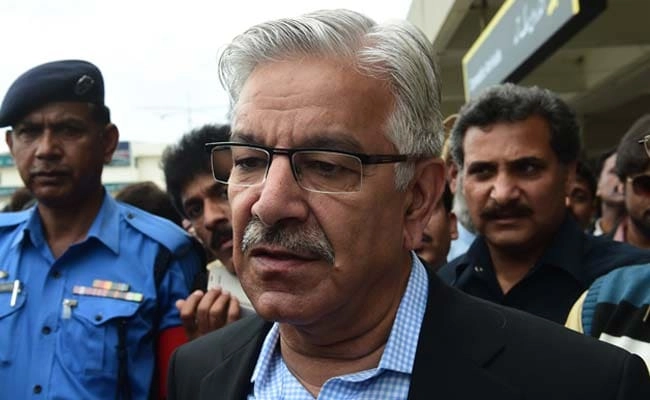
India has taken a significant step by blocking the X account of Pakistan’s Defence Minister, Khawaja Asif. This decision is part of a broader context of heightened tensions between the two nations, which have a long history of political and military strife. The action underscores the ongoing challenges in diplomatic relations, particularly in the realm of information dissemination and the role of social media in shaping public perception. India’s move to block the account reflects its commitment to curtailing what it perceives as harmful narratives that could exacerbate existing tensions.
Khawaja Asif, who has been vocal in his criticisms of India, utilized social media platforms to communicate his views and engage with both domestic and international audiences. However, the Indian government has been increasingly vigilant in monitoring and regulating content that it deems inflammatory or detrimental to national security. By blocking Asif’s account, India aims to limit the spread of information that could incite conflict or disrupt the fragile peace that exists between the two countries. This decision also highlights the broader implications of social media in geopolitical disputes, where digital platforms can serve as battlegrounds for narratives and propaganda.
The blocked account is not just a matter of social media access; it represents a critical tool for political communication in the digital age. Asif’s inability to use this platform effectively limits his outreach, potentially impacting public opinion in Pakistan and complicating the dialogue between the two nations. Furthermore, such actions can provoke retaliatory measures, leading to a cycle of escalation that further strains diplomatic relations. The incident serves as a reminder of the delicate balance that must be maintained in the realm of international diplomacy, especially in an era where information flows rapidly across borders.
In conclusion, the blocking of Khawaja Asif’s X account by India is indicative of the escalating tensions and the challenges both countries face in managing their narratives. As social media continues to play an essential role in shaping political discourse, the implications of such actions can resonate far beyond the immediate impact. It raises questions about freedom of expression, the role of technology in diplomacy, and the potential for dialogue amidst ongoing conflicts. Both nations must navigate these complexities carefully to avoid further deterioration of their already strained relationship.