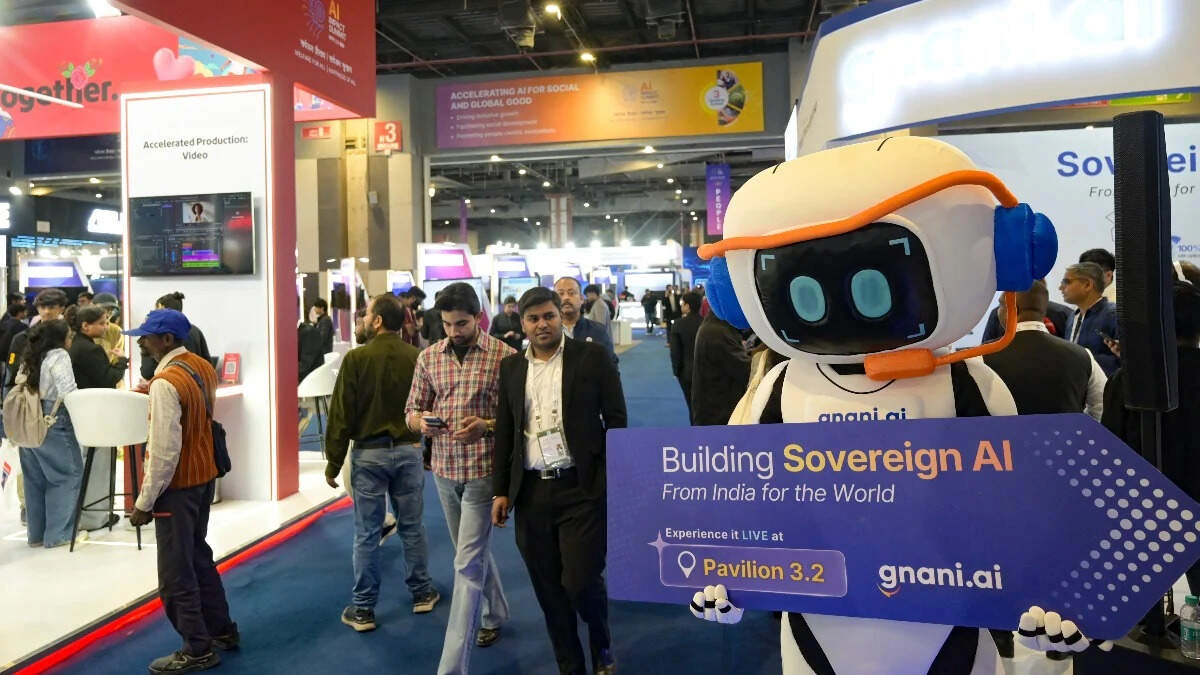
The India AI Impact Summit 2026 is poised to be a significant event in the realm of artificial intelligence and digital innovation. This summit will focus on the pressing need for authenticity labels on digital content, a measure that aims to combat misinformation and enhance trust in the digital landscape. In an age where the proliferation of information can lead to confusion and uncertainty, establishing clear markers of authenticity is crucial. These labels would serve as a form of certification for content, ensuring that consumers can distinguish between credible information and potential misinformation.
Moreover, the Indian government has announced a monumental investment of ₹10 lakh crore (approximately $135 billion) to usher in an “Intelligence Era” in the country. This investment is expected to drive advancements in AI technology, infrastructure, and education, positioning India as a global leader in the field of artificial intelligence. The funds will be allocated toward research and development, fostering innovation, and creating a robust ecosystem that supports AI startups and businesses.
The summit will bring together industry leaders, policymakers, and researchers to discuss the future of AI in India. It will serve as a platform to explore the ethical implications of AI, the role of government in regulating technology, and the importance of public-private partnerships in driving AI initiatives. As India embarks on this transformative journey, the discussions at the summit will play a pivotal role in shaping the policies and frameworks that will govern the use of AI in the coming years.
In summary, the India AI Impact Summit 2026 is not just an event; it is a catalyst for change in how digital content is consumed and produced. With a focus on authenticity and a massive investment in AI, India is taking significant strides toward creating a more informed and technologically advanced society. The outcomes of this summit could have far-reaching implications, influencing not only the Indian landscape but potentially setting standards for the global community as well.