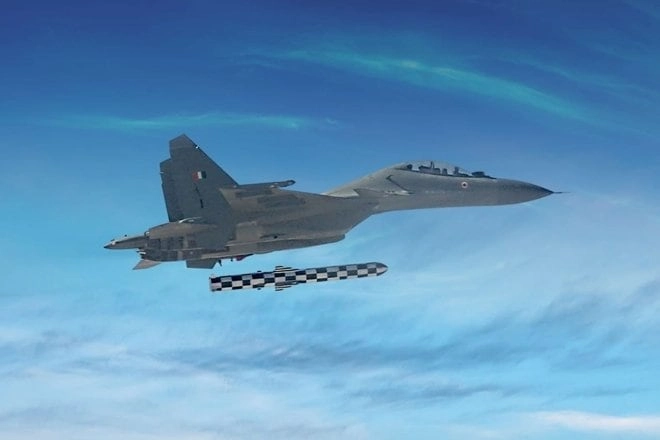
In a significant revelation regarding Operation Sindoor, it has come to light that the Indian Air Force conducted an airstrike on Malir Cantt in Karachi, Pakistan. This operation marks a crucial moment in the ongoing tensions between the two nations, as it underscores the Indian military’s capability and readiness to engage in direct action against perceived threats. The airstrike on Malir Cantt, known for its strategic military installations, highlights the complexities of regional security dynamics and the lengths to which nations are willing to go to protect their national interests.
The implications of this revelation are profound, not only for India and Pakistan but for the broader geopolitical landscape in South Asia. The airstrike reflects India’s strategic shift towards a more proactive defense posture, particularly in response to ongoing security challenges. By targeting a military facility, India has demonstrated its willingness to take decisive action against what it views as hostile entities within its immediate vicinity. This operation not only serves as a warning to adversaries but also aims to bolster domestic confidence in the Indian military’s ability to safeguard national sovereignty.
Furthermore, the operation may have ramifications for future military engagements and diplomatic relations between India and Pakistan. As both nations continue to navigate a fraught relationship marked by historical grievances and territorial disputes, actions like the airstrike on Malir Cantt could escalate tensions and provoke retaliatory measures. The international community is closely monitoring these developments, as they could influence not only bilateral relations but also the stability of the entire region. The revelation of Operation Sindoor thus serves as a reminder of the delicate balance of power in South Asia and the ever-present potential for conflict sparked by aggressive military strategies.