
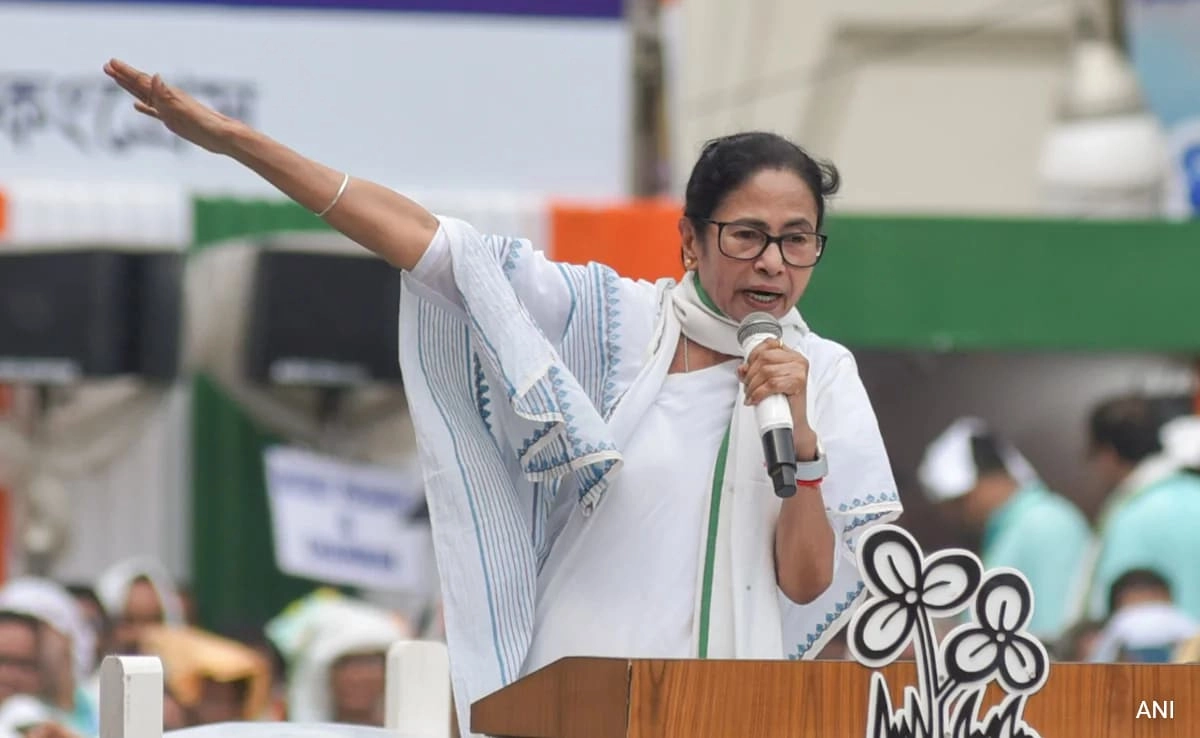
West Bengal’s political landscape has been stirred as Governor Jagdeep Dhankhar has returned the Aparajita Bill to the state government, prompting speculation about potential protests by the Trinamool Congress (TMC). The Aparajita Bill, aimed at empowering women and enhancing their participation in various sectors, has been a focal point of the TMC’s agenda. The Governor’s decision to return the bill raises critical questions about the relationship between the state government and the Raj Bhavan, as well as the broader implications for women’s rights and representation in West Bengal.
The TMC, led by Chief Minister Mamata Banerjee, has been vocal about its commitment to women’s empowerment, making the passage of the Aparajita Bill a priority. With the bill designed to establish provisions for women’s safety, employment, and leadership roles, its rejection or delay could be seen as a significant setback for the state’s progressive policies. The Governor’s actions may ignite tensions between the TMC and the Bharatiya Janata Party (BJP), with both parties likely to leverage the situation to galvanize support among their respective bases.
As the political drama unfolds, the possibility of protests by the TMC looms large. The party has historically mobilized its supporters to voice dissent against perceived injustices, and the return of the Aparajita Bill could serve as a rallying point. Activists and women’s rights organizations may also join the fray, amplifying calls for the bill’s passage and advocating for the rights of women in the state. The situation underscores the complexities of governance and the ongoing struggle for gender equality in India, particularly in a state that has prided itself on progressive values.
The ramifications of this political standoff could extend beyond the immediate issue of the Aparajita Bill. It may also influence upcoming elections and shape the discourse around women’s rights in West Bengal. Observers will be keenly watching how the TMC responds to the Governor’s decision and whether it can successfully mobilize public opinion in favor of the bill. In a broader context, this incident may reflect the ongoing tensions between state and central authorities in India, particularly regarding issues that resonate deeply with the electorate, such as gender equality and women’s empowerment.


