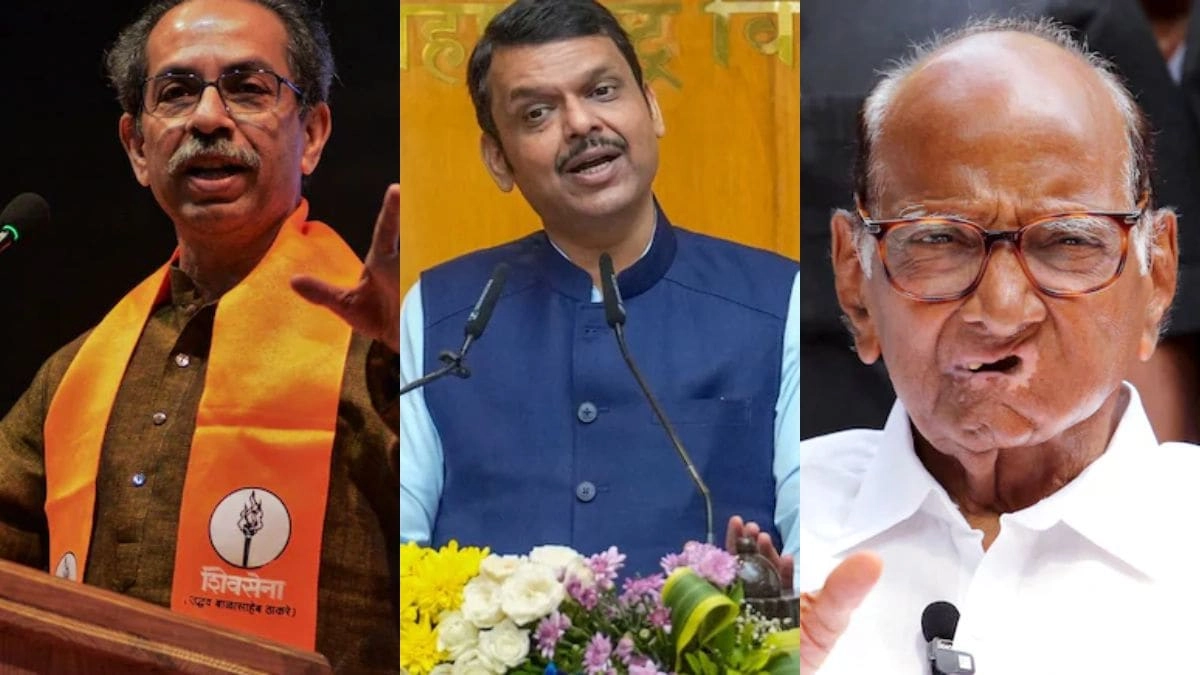
In a recent statement, Maharashtra’s Deputy Chief Minister Devendra Fadnavis emphasized the importance of recognizing the ideological differences that exist in the political landscape, particularly between him and leaders like Uddhav Thackeray and Sharad Pawar. He articulated that while they may stand on opposite sides of the political spectrum, it is crucial to view one another as ideological opponents rather than personal enemies. This distinction is vital in fostering a political environment where constructive dialogue and debate can thrive, allowing for varied perspectives to coexist without descending into hostility.
Fadnavis’s comments come in the context of the often tumultuous and polarized nature of Indian politics, where personal animosities can overshadow ideological discussions. By advocating for a more respectful approach to political rivalry, he seeks to encourage a culture that prioritizes policy debates and democratic values over personal attacks. This perspective is particularly relevant in Maharashtra, a state with a rich tapestry of political opinions and a history of coalition governance, where collaboration among divergent parties has often been necessary for effective administration.
The Deputy Chief Minister’s remarks also reflect a broader trend in contemporary politics, where leaders from different parties are increasingly recognizing the need for civility and respect in public discourse. In a time when political polarization can lead to societal divisions, Fadnavis’s call for viewing opponents as ideological rivals rather than enemies could serve as a model for other regions and political contexts. By focusing on shared goals and the common good, politicians might better navigate their differences and work towards solutions that benefit the populace.
Ultimately, the challenge lies in translating this ideology into actionable policies and practices. As Fadnavis and other leaders engage in discussions, it will be essential for them to uphold the principles of respect and constructive dialogue, setting a precedent that could positively influence how political competition is conducted in India. By fostering an atmosphere where diverse viewpoints are respected, there is a greater chance of building a more unified and effective governance structure that serves the interests of all citizens, irrespective of their political affiliations.