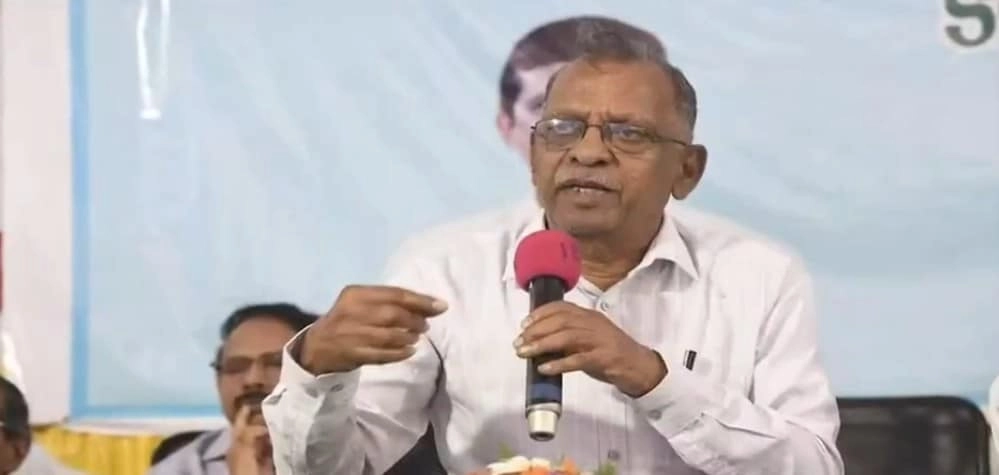
In a significant development, authorities in Telangana have arrested a former chief engineer as part of a major investigation into an irrigation scam that has raised serious concerns about corruption and mismanagement in public projects. The arrested individual, whose identity has not been disclosed, is accused of being at the center of a widespread scheme that involved the embezzlement of funds allocated for irrigation purposes. This scandal has not only tarnished the reputation of the state’s irrigation department but has also sparked public outrage over the misuse of taxpayers’ money.
The investigation into the scam began after discrepancies were reported in the financial records of various irrigation projects across Telangana. Whistleblowers within the department and concerned citizens alerted officials to potential irregularities, prompting a thorough inquiry. As the investigation progressed, evidence emerged linking the former chief engineer to a series of fraudulent activities, including the manipulation of contract awards and the submission of inflated project costs. These actions allegedly resulted in significant financial losses to the state, undermining the intended benefits of these crucial irrigation initiatives.
The impact of this scam extends beyond just financial implications; it has raised questions about the oversight mechanisms in place within government departments. Critics argue that systemic issues, such as a lack of accountability and transparency, have allowed such corruption to flourish unchecked. The Telangana government has vowed to take stringent action against those involved, promising to implement reforms aimed at enhancing oversight and ensuring that public funds are utilized effectively for the benefit of the community. The arrest of the former chief engineer is seen as a crucial step in the fight against corruption, but many citizens are demanding further investigations and accountability at all levels of the irrigation department.
As the case unfolds, it is likely to attract significant media attention and public scrutiny, forcing the government to address the broader issues of governance and integrity in public service. Stakeholders are calling for a thorough review of existing contracts and projects to ensure that similar scams do not occur in the future. The Telangana irrigation scam serves as a stark reminder of the importance of vigilance and integrity in managing public resources, highlighting the need for robust mechanisms to prevent corruption and ensure that funds are directed towards meaningful development projects that benefit the people of the state.