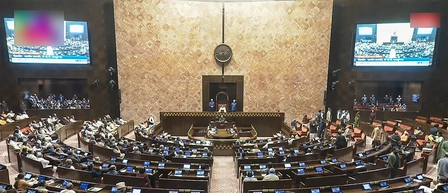
The Election Commission of India has announced elections for 37 seats in the Rajya Sabha across ten states, with voting scheduled to take place on March 16. This announcement marks a significant event in the Indian political landscape, as the Rajya Sabha, or the Council of States, serves as the upper house of Parliament, playing a crucial role in the legislative process. The elections are vital for various political parties looking to strengthen their presence and influence in the upper chamber.
The ten states participating in this electoral process include some key regions that hold strategic importance in Indian politics. Each state has a specific number of seats that reflect its representation in the Rajya Sabha, which is determined by the state’s population and legislative assembly strength. The elections will not only affect the composition of the Rajya Sabha but also have implications for the legislative agenda and governance in the country.
Candidates from various political parties are expected to contest these seats, and the elections will be closely watched by political analysts and the public alike. The outcome of these elections could shift the balance of power in the Rajya Sabha, influencing important legislative decisions and policies. As the date of voting approaches, political parties are likely to intensify their campaigning efforts to secure victories in their respective states, highlighting the strategic importance of this electoral event.