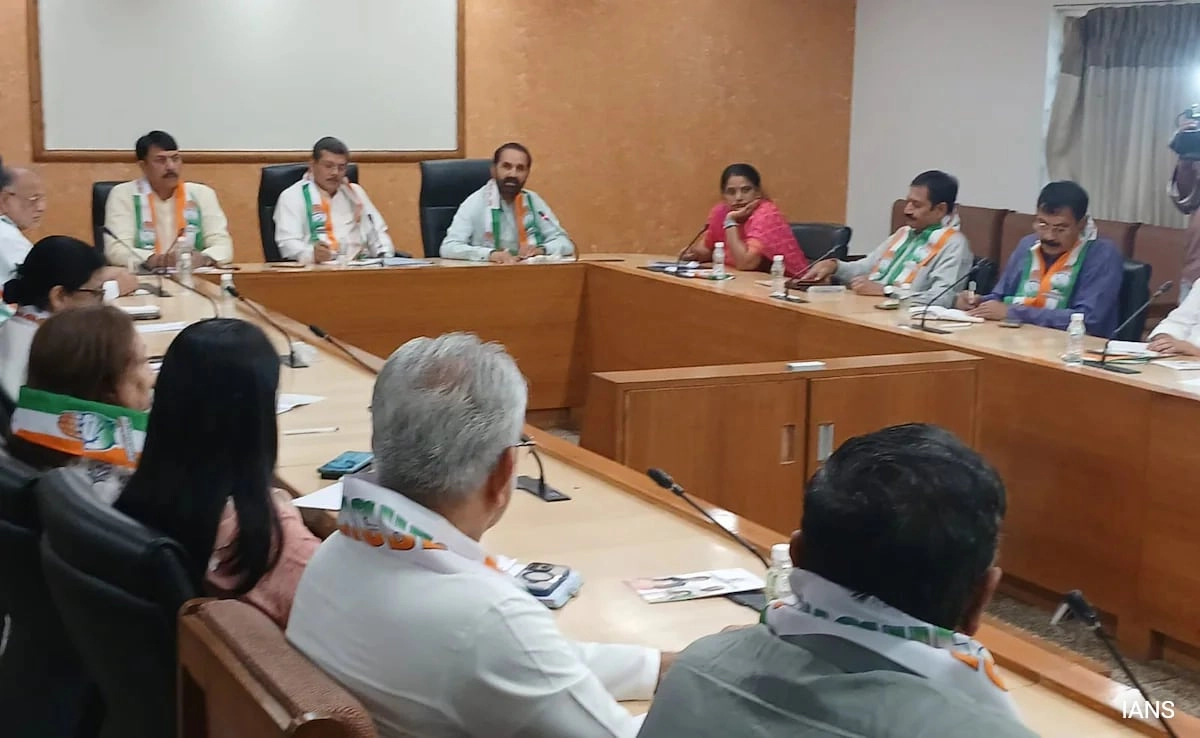
In a significant political shift, the Congress party has decided to contest the upcoming Gujarat bypolls independently, marking the end of its alliance with the Aam Aadmi Party (AAP). This decision comes amid a backdrop of evolving electoral strategies and the need for the Congress to strengthen its foothold in a state where it has historically struggled against the ruling Bharatiya Janata Party (BJP). The dissolution of the alliance with AAP indicates a strategic pivot for Congress, aiming to regain its identity and appeal to the electorate on its own terms.
The decision to go solo in the Gujarat bypolls reflects Congress’s assessment of its position in the state, where it has faced challenges in recent years. The party’s leadership believes that contesting independently will allow it to better articulate its policies and connect with voters without the constraints of a coalition. This move is seen as an attempt to galvanize its base and attract undecided voters who may be disillusioned with the current political landscape dominated by the BJP. By stepping away from the alliance, Congress aims to assert its relevance and rebuild its image as a viable alternative to the ruling party.
Moreover, this strategic independence may also be a response to internal party dynamics and the desire to unify various factions within Congress. The leadership may feel that aligning with AAP could dilute its brand and lead to confusion among voters regarding its core message and values. By contesting the elections independently, Congress hopes to present a clear and unified front, emphasizing its commitment to addressing local issues and engaging with the electorate on a grassroots level. This approach could potentially rejuvenate the party’s image and foster a renewed sense of purpose among its supporters.
In summary, Congress’s decision to contest the Gujarat bypolls independently marks a critical juncture in its electoral strategy. By breaking away from the alliance with AAP, the party aims to reclaim its identity, strengthen its voter base, and position itself as a formidable contender against the BJP. This move highlights the complexities of coalition politics and the importance of establishing a distinct narrative in a highly competitive political environment. Whether this strategy will yield positive results for Congress remains to be seen, but it underscores the party’s determination to navigate the challenges ahead and reinvigorate its presence in Gujarat.