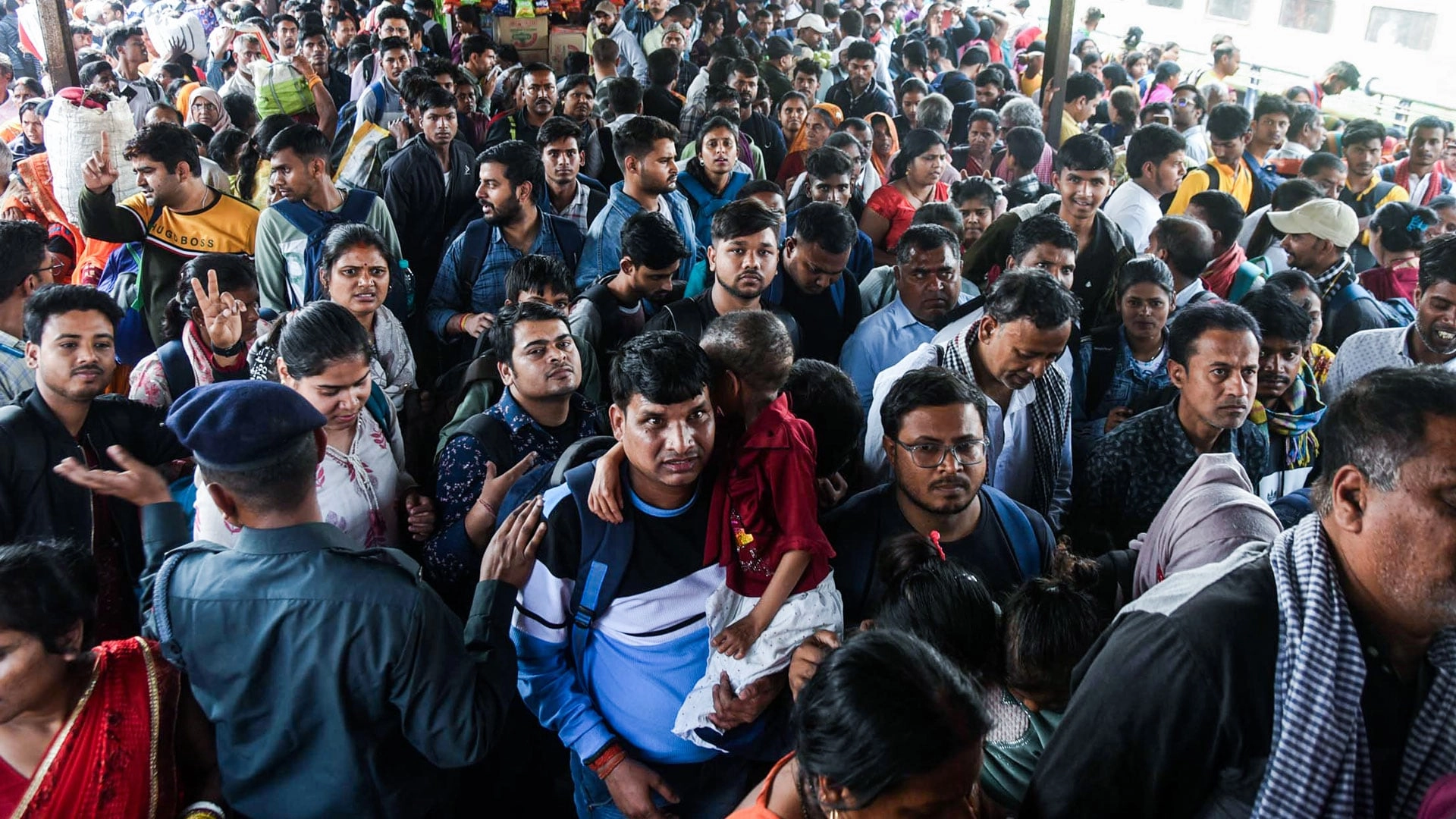
In a significant development for the upcoming census, citizens will now have the opportunity to self-enumerate, marking a shift towards a more participatory approach in the data-gathering process. This change is expected to empower individuals by allowing them to take responsibility for reporting their own information rather than relying exclusively on enumerators or census officials. Self-enumeration is designed to enhance the accuracy and completeness of the census data, as it encourages individuals to engage directly with the process, ensuring that their voices are heard and their information is correctly recorded.
The implementation of self-enumeration is anticipated to streamline the census process, making it more accessible and user-friendly. Citizens will have the option to fill out their census forms online, which not only provides convenience but also allows for greater privacy and control over personal information. This method is particularly beneficial for those who may have reservations about sharing their data with enumerators or for those living in remote areas where access to census officials may be limited. By leveraging technology, the census can reach a broader audience and improve participation rates, ultimately resulting in more reliable data that reflects the true demographics of the population.
Moreover, self-enumeration represents a proactive approach to ensuring equitable representation. Historically, certain communities have been undercounted in census data, leading to a misrepresentation of their needs and allocation of resources. By enabling citizens to self-enumerate, the census aims to address these disparities, fostering inclusivity and ensuring that every individual is counted. This initiative is crucial for policymakers, researchers, and community leaders who rely on accurate census data to make informed decisions regarding funding, services, and infrastructure development.
As the census date approaches, it will be essential for local governments and organizations to promote awareness about self-enumeration and its benefits. Educational campaigns can help demystify the process, reassuring citizens about the security of their data and the importance of their participation. Ultimately, the move towards self-enumeration not only enhances the integrity of the census but also strengthens the democratic process by encouraging civic engagement and empowering citizens to take an active role in shaping their communities.