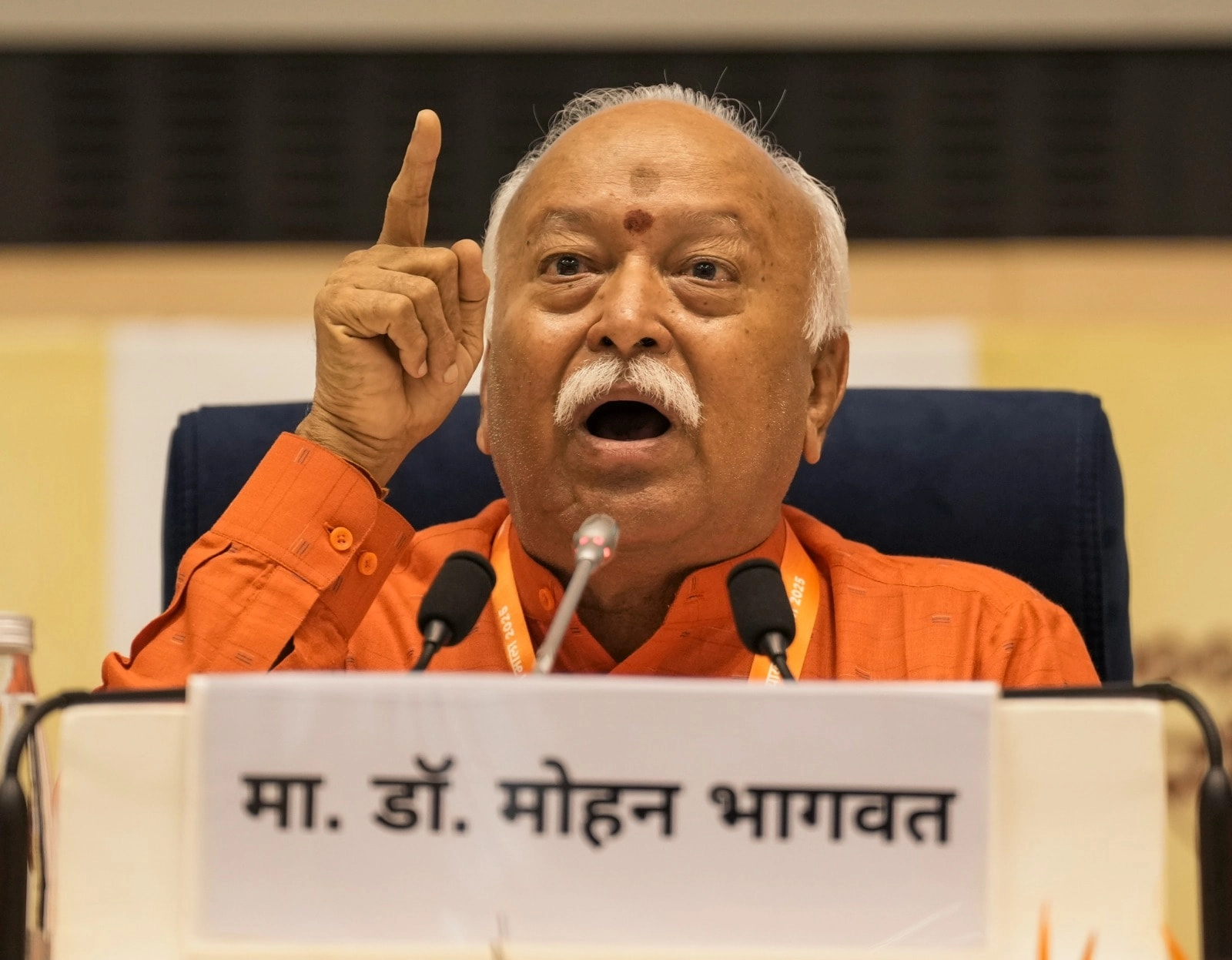
Mohan Bhagwat, the Chief of the Rashtriya Swayamsevak Sangh (RSS), has made significant remarks regarding the challenges that human beings and nations will continue to confront if certain fundamental issues are not addressed. He emphasizes that the essence of societal harmony and progress lies in understanding and embracing our shared human values. Bhagwat suggests that without a collective commitment to these values, societies may struggle with discord, conflict, and a lack of cooperation, hindering their growth and stability.
In his discourse, Bhagwat highlights the importance of unity among individuals, communities, and nations. He argues that differences in culture, religion, and ideology should not overshadow the common goals of peace and prosperity. Instead, he advocates for a collaborative approach where diverse groups can come together, fostering a spirit of mutual respect and understanding. This unity is not just a lofty ideal, but a necessary foundation for addressing pressing global challenges such as poverty, climate change, and social injustice.
Furthermore, Bhagwat points out that nations must recognize their interdependence in an increasingly globalized world. He warns that isolationist tendencies or unilateral actions can lead to greater conflicts, as nations grapple with shared issues that transcend borders. To mitigate these challenges, he calls for dialogue and cooperation on international platforms, urging leaders to prioritize collective well-being over nationalistic pursuits. By working together, nations can harness their strengths and resources to tackle common problems more effectively.
In conclusion, Mohan Bhagwat’s insights serve as a reminder of the urgent need for humanity to adopt a more inclusive and collaborative approach to coexistence. The challenges we face today—whether they be social, economic, or environmental—demand a united front. By fostering a culture of understanding and cooperation, both individuals and nations can pave the way for a more harmonious and prosperous future, ultimately ensuring that the issues of today do not become the crises of tomorrow.