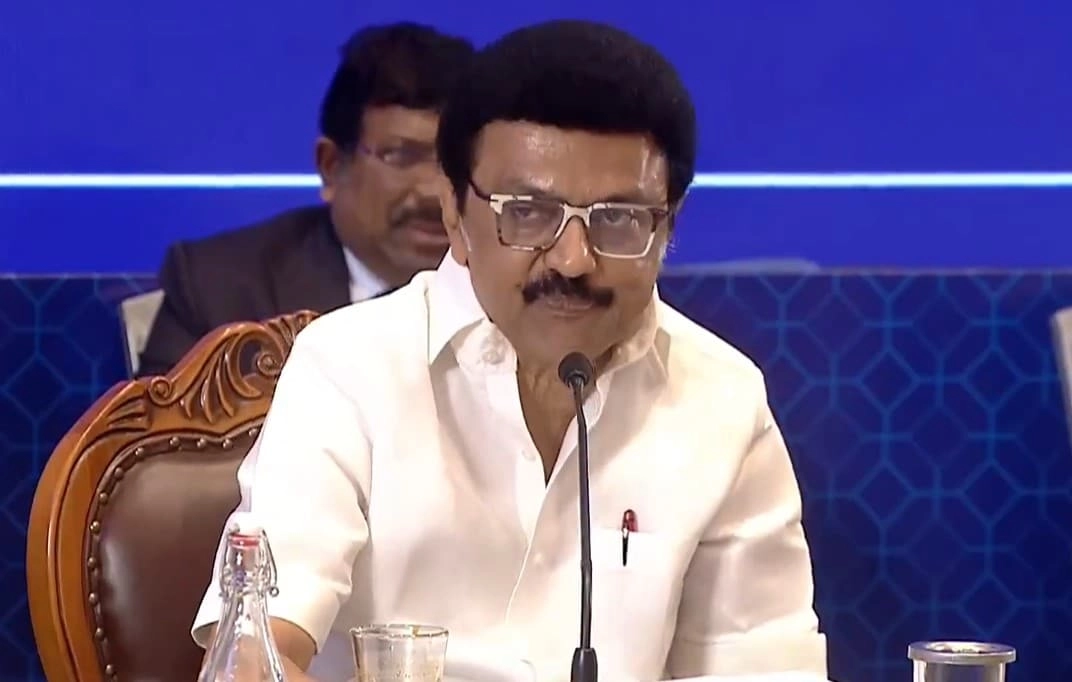
The recent decision by the central government to reject the exemption bill for Tamil Nadu concerning the National Eligibility cum Entrance Test (NEET) has left the state in a challenging position. This development has ignited widespread discontent among various stakeholders, including students, parents, and educational institutions. Tamil Nadu has long been advocating for the exemption from NEET, arguing that it undermines the state’s own admission processes that have historically been tailored to suit local needs and contexts. The bill aimed to restore the autonomy of the state in determining admission criteria for medical courses, aligning with its commitment to ensure equitable access to education.
The rejection of the exemption bill has led to renewed debates about the fairness and effectiveness of NEET as a standardized entrance examination. Proponents of the exam argue that it creates a level playing field for students across the country, while opponents contend that it disproportionately affects students from rural or underserved areas who may not have access to the same resources as their urban counterparts. In Tamil Nadu, where the educational system has been designed to cater to regional aspirations and demographics, the imposition of a national exam like NEET is seen as an infringement on the state’s rights and an impediment to local students’ opportunities.
Furthermore, this setback poses significant implications for the future of medical education in Tamil Nadu. With NEET now being the sole criterion for admission to medical colleges, there are concerns that the diversity and inclusivity of the state’s medical education landscape could be compromised. The state has a rich history of producing competent healthcare professionals who have contributed significantly to the medical field. The move to enforce NEET raises questions about whether future generations of students will be able to access medical education in a manner that reflects their unique backgrounds and experiences.
As the state government and various stakeholders regroup to address this setback, the focus will likely shift to exploring alternative avenues for securing educational equity and access. Advocacy for a more localized approach to medical admissions may intensify, and there could be renewed calls for the central government to reconsider its stance on the matter. The situation remains fluid, and the response from the state may ultimately shape the trajectory of medical education and access in Tamil Nadu for years to come.