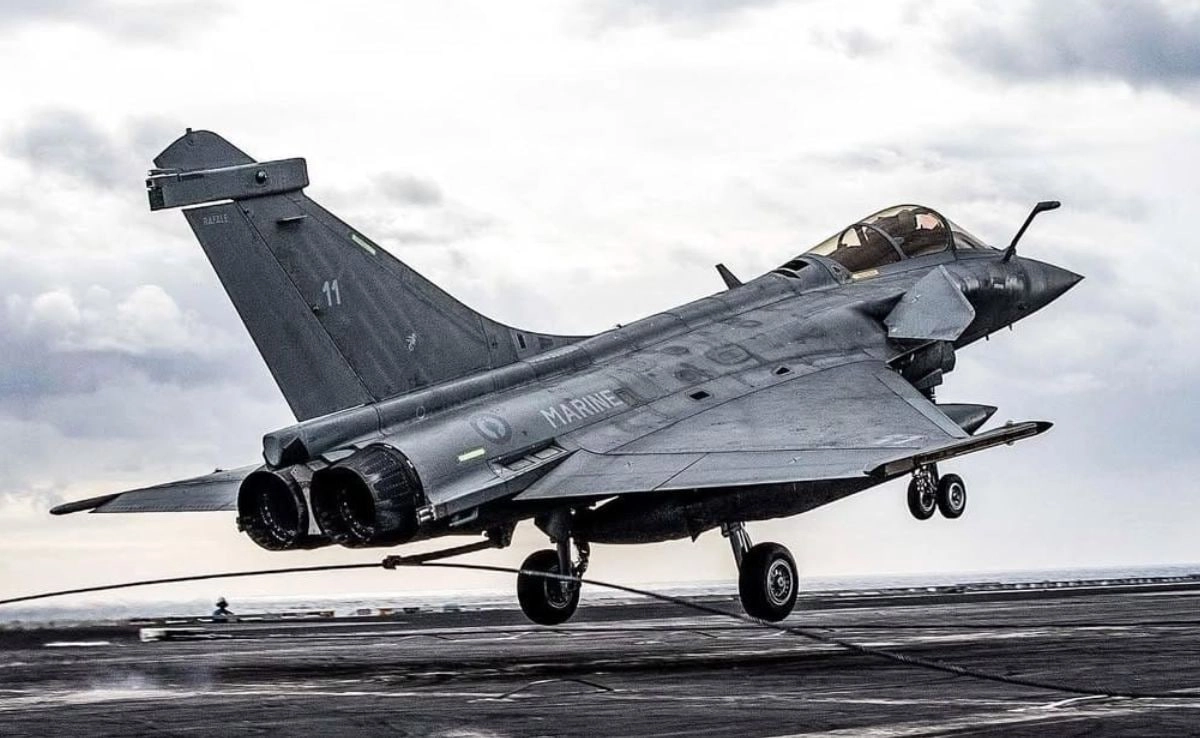
The Indian government has recently received a proposal from the Air Force to procure 114 Rafale jets, all of which are to be manufactured within the country. This initiative aligns with India’s ongoing commitment to bolster its defense capabilities while promoting indigenous manufacturing through the ‘Make in India’ initiative. The proposal is a significant step toward enhancing the operational capabilities of the Indian Air Force (IAF) and underscores the growing confidence in domestic production capabilities.
The Rafale jets, known for their advanced technology and versatility in combat roles, have been a cornerstone in modernizing the IAF’s fleet. The move to manufacture these aircraft locally not only aims to reduce dependency on foreign defense imports but also seeks to create a robust aerospace ecosystem in India. By bringing in advanced technologies and production techniques, the collaboration between the Indian defense sector and international manufacturers can lead to substantial job creation and skill development in the country.
This proposal follows the successful induction of the first batch of Rafale jets into the IAF, which has already demonstrated their effectiveness in various operational scenarios. The decision to acquire additional jets reflects the strategic need for a well-equipped air force to address emerging security challenges in the region. It also highlights the importance of maintaining an edge over potential adversaries, emphasizing the need for modern and capable aerial combat units.
Moreover, this procurement initiative can be seen as a catalyst for innovation within India’s defense manufacturing sector. By engaging local industries in the production of such advanced aircraft, the government aims to foster a culture of research and development, which is crucial for achieving self-reliance in defense capabilities. The collaboration could lead to the establishment of supply chains and a network of ancillary industries that support the aerospace sector, further solidifying India’s position in global defense manufacturing.
In conclusion, the proposal for the acquisition of 114 ‘Made in India’ Rafale jets represents a pivotal moment in India’s defense strategy. It signifies a shift towards indigenous manufacturing while enhancing the IAF’s operational capabilities. As India continues to navigate complex geopolitical landscapes, initiatives like this are crucial for ensuring national security and advancing technological innovation within the defense sector. The successful execution of this proposal could pave the way for future collaborations and strengthen India’s defense posture in the years to come.