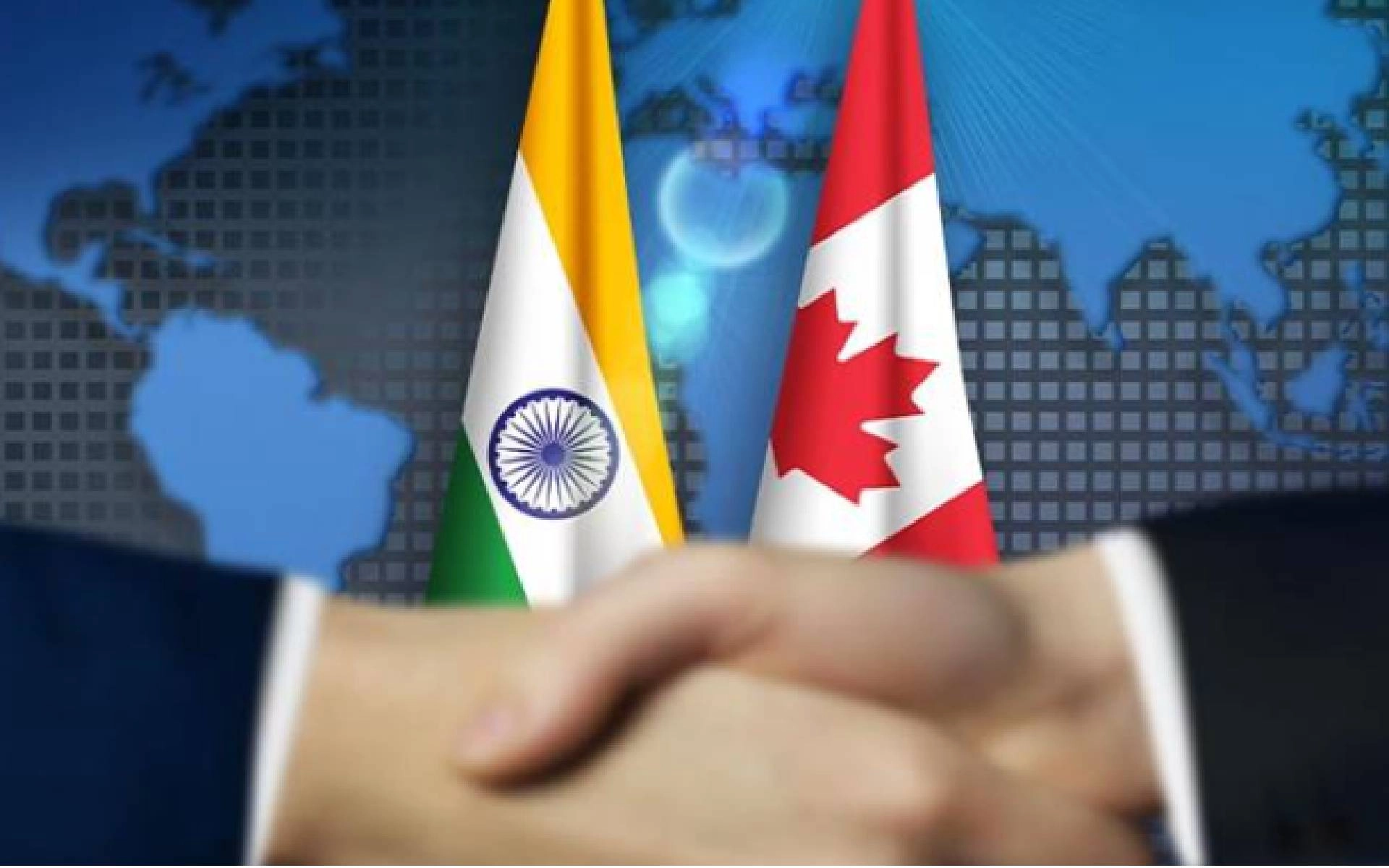
In recent months, Canada and India have been intensifying their efforts to finalize a landmark trade deal, a move that reflects not only their economic ambitions but also the broader geopolitical landscape marked by rising global tensions. The proposed agreement, often touted as a Comprehensive Economic Partnership Agreement (CEPA), aims to enhance trade relations and investment flows between the two nations. With both countries recognizing the potential for mutual growth, their negotiations have taken on added urgency amid a shifting global economic environment influenced by factors such as trade disputes, supply chain disruptions, and geopolitical rivalries.
India, as one of the fastest-growing economies in the world, presents a significant opportunity for Canada, which seeks to diversify its trade partnerships beyond its traditional reliance on the United States. The ongoing negotiations aim to reduce tariffs, boost exports, and create a more conducive environment for businesses in both nations. Canada’s focus on areas such as natural resources, agriculture, and technology aligns well with India’s growing demand for energy, food security, and technological innovation. Moreover, both countries are keen to foster stronger ties in sectors like education and skilled labor, which could yield substantial benefits for their respective economies.
However, the backdrop of global tensions complicates the landscape for these negotiations. The ongoing rivalry between major powers, particularly the United States and China, has prompted countries like Canada and India to reassess their economic strategies. By strengthening their bilateral trade relations, both nations aim to bolster their economic resilience and reduce dependency on any single market. This strategic partnership could serve as a counterbalance to external pressures, allowing them to navigate an increasingly uncertain global economy. As they work toward sealing this trade deal, Canada and India must remain vigilant, ensuring that their cooperation is not only economically beneficial but also politically sustainable in the face of evolving international dynamics.
As the negotiations progress, the focus will likely be on addressing specific challenges that have historically hindered trade between Canada and India. Issues such as regulatory barriers, intellectual property rights, and labor standards will need to be carefully navigated to ensure that the final agreement is comprehensive and beneficial for both sides. Furthermore, public sentiment and domestic political landscapes will also play a crucial role in shaping the outcome of these discussions. Both governments will need to engage with stakeholders, including businesses, labor unions, and civil society, to build consensus and ensure that the trade deal is perceived as a win-win situation. In this context, the Canada-India trade negotiations represent not just an economic endeavor but a strategic initiative that could redefine their roles on the global stage.