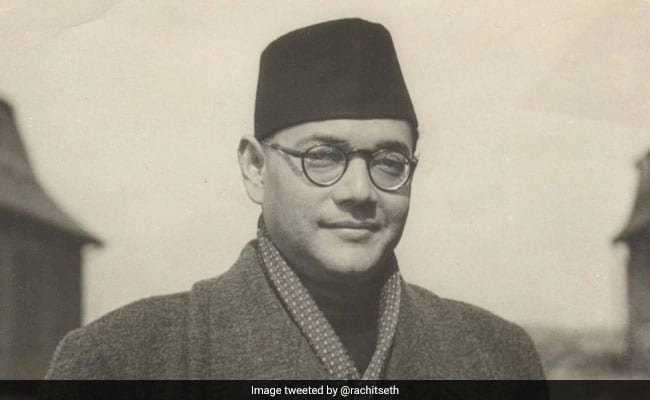
Subhash Chandra Bose, a prominent leader in the Indian independence movement, made a significant declaration of independence in the Andaman Islands in 1943. This moment marked a pivotal point in India’s struggle for freedom from British colonial rule. Bose, who had long been advocating for a more aggressive approach to achieving independence, saw the Andaman Islands as a strategic location to galvanize support for his vision of a liberated India. The region, which had been occupied by the Japanese during World War II, provided a unique opportunity for Bose to assert his leadership and rally the Indian people around a shared cause.
On December 30, 1943, Bose officially declared the establishment of the Provisional Government of Free India in Port Blair, the capital of the Andaman Islands. This declaration was not merely symbolic; it represented a bold assertion of Indian sovereignty at a time when the nation was under foreign domination. Bose’s government aimed to unite Indians across various regions and communities under a common objective: the complete liberation of India from British rule. His vision was rooted in the belief that only through a united front could India hope to achieve true independence, and he sought to inspire both soldiers and civilians alike to join this noble cause.
Bose’s declaration resonated deeply with many Indians, who were disillusioned with the slow pace of the independence movement led by the Indian National Congress. By taking a more militant stance, Bose attracted a diverse following, including those who were inspired by his charisma and determination. He emphasized the importance of self-reliance and the need for armed struggle, which appealed to a section of the population that felt that peaceful negotiations had yielded little progress. His proclamation in the Andaman Islands was a rallying cry for those who believed that the time for action had come, and it ignited a sense of hope and urgency among many who longed for freedom.
Despite the challenges faced by Bose and his provisional government, including limited resources and the complexities of wartime politics, his declaration in the Andaman Islands remains a significant chapter in the narrative of India’s fight for independence. It symbolized a departure from traditional methods of resistance and illustrated the lengths to which leaders like Bose were willing to go to achieve their goals. His legacy continues to inspire generations of Indians, reminding them of the sacrifices made in the pursuit of freedom and the importance of standing up against oppression. The events in the Andaman Islands in 1943 serve as a testament to the enduring spirit of resistance that characterized India’s struggle for independence, highlighting the complex interplay of patriotism, strategy, and the quest for self-determination.