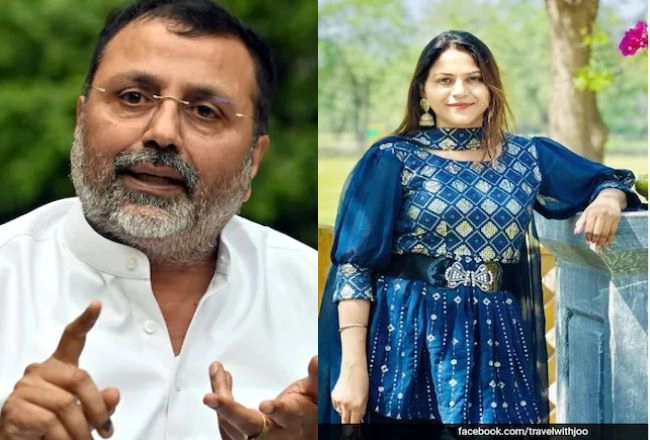
In a significant move, Nishikant Dubey, a prominent leader from India’s Bharatiya Janata Party (BJP), has called for a thorough investigation into the activities of YouTubers, social media influencers, and journalists. This probe aims to examine their potential influence and the narratives they propagate, particularly in relation to political discourse and public opinion. Dubey’s initiative raises pertinent questions about the role of digital content creators in shaping perceptions and the accountability of such influencers in an increasingly polarized media landscape.
The decision to investigate these figures stems from concerns over misinformation and the impact of social media on the political process. With the rise of alternative media platforms, traditional journalism is often challenged by the rapid dissemination of information by influencers and YouTubers. Dubey’s stance suggests a desire to scrutinize how these individuals may sway public sentiment and the extent to which their content aligns with or opposes governmental policies. This inquiry could lead to broader discussions about the regulation of digital platforms and the responsibilities of content creators in ensuring accurate and fair reporting.
Furthermore, this investigation reflects a growing trend among political leaders worldwide to address the challenges posed by social media dynamics. In an age where information spreads at lightning speed, the potential for misinformation to undermine democratic processes is a valid concern. By targeting influencers and journalists, Dubey is not only seeking accountability but also aiming to establish a framework for understanding the influence of digital media on political narratives. As this probe unfolds, it may set a precedent for how governments engage with the evolving landscape of media and information dissemination, potentially reshaping the relationship between political entities and content creators in the process.
In conclusion, Dubey’s call for an investigation into YouTubers, influencers, and journalists underscores the complexities of modern communication and its implications for democracy. As the inquiry progresses, it will be crucial to balance the need for accountability with the fundamental principles of freedom of expression and press freedom. This approach could pave the way for a more informed public discourse, ensuring that the voices of content creators contribute positively to the democratic fabric of society. As the digital landscape continues to evolve, the outcomes of this investigation will likely influence future policies regarding media regulation and the responsibilities of those who shape public opinion.