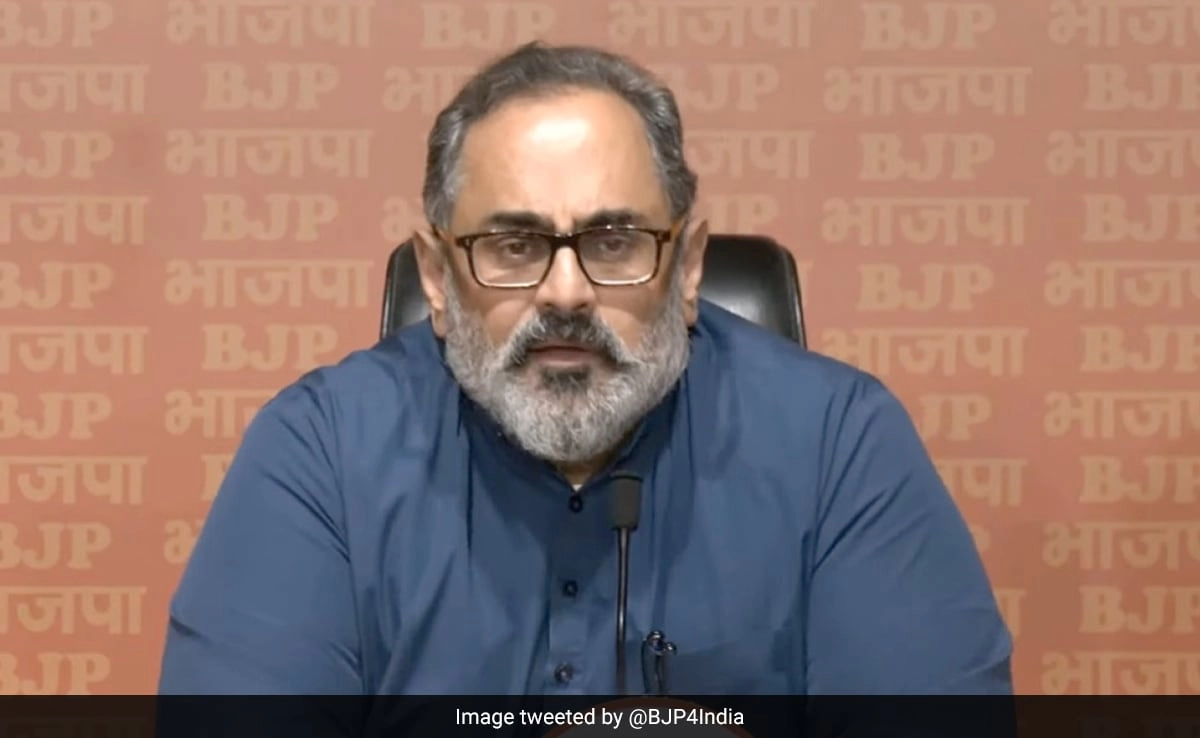
BJP Kerala Chief has recently expressed strong criticism regarding the film “Empuraan,” asserting that any cinematic work which distorts the truth is destined for failure. This statement reflects a broader concern within political spheres about the portrayal of reality in media and the impact that such representations can have on public perception. The Chief’s comments underscore the belief that films, which often serve as cultural narratives, hold significant power in shaping societal understanding and attitudes. When films choose to manipulate facts or distort historical events, they not only risk alienating audiences but also undermine their credibility and relevance in contemporary discourse.
The political landscape in Kerala, as elsewhere in India, is highly charged, with films often becoming battlegrounds for ideological conflicts. The BJP’s stance on “Empuraan” suggests a strategic move to position itself as a guardian of truth in the face of what it perceives as artistic liberties taken by filmmakers. By framing the film as a distortion, the BJP aims to rally support among its base, particularly those who are sensitive to narratives that challenge the established order or the party’s ideology. This tactic also highlights the increasing intersection of politics and entertainment, where filmmakers are held accountable not just for storytelling, but for the socio-political implications of their narratives.
Moreover, the Chief’s remarks may resonate with audiences who value authenticity in storytelling. In an era where misinformation can spread rapidly, the demand for truthful representations in art and media is more critical than ever. The backlash against films that are seen as politically motivated or factually incorrect often reflects a larger societal desire for accountability in artistic expressions. This incident with “Empuraan” serves as a reminder of the responsibilities filmmakers carry, as well as the potential repercussions they face when their work is perceived to misrepresent historical or cultural truths.
As the debate surrounding “Empuraan” continues, it will be interesting to see how audiences respond to the film and the political narratives that accompany it. The intersection of cinema and politics in Kerala is a microcosm of a larger national conversation about media influence, narrative ownership, and the quest for truth. Whether “Empuraan” succeeds or fails, the discussions sparked by its release will undoubtedly contribute to the ongoing dialogue about the role of cinema in society and its capacity to either unite or divide audiences based on shared or conflicting truths.