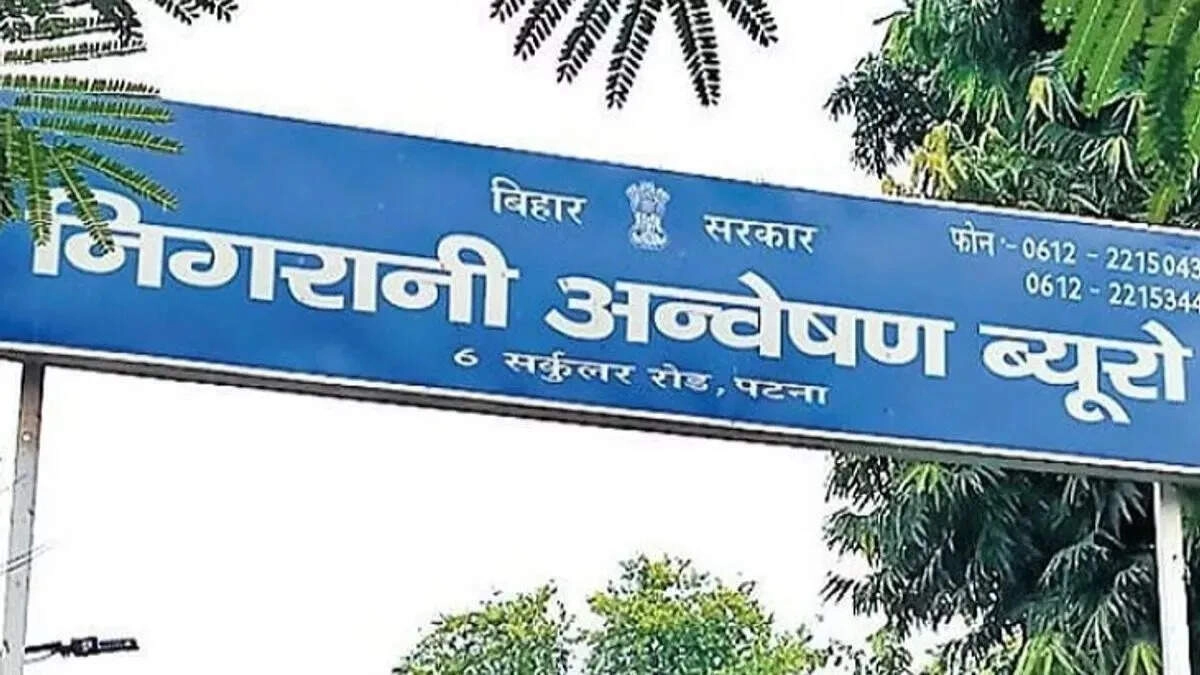
In Begusarai, a shocking incident has come to light involving a district welfare officer and a nazir who were caught red-handed accepting a bribe of 1,800 rupees. This incident highlights the persistent issue of corruption within local governance, which undermines public trust and hampers effective administration. The act of accepting bribes not only violates the ethical standards expected from public officials but also contributes to a culture of dishonesty that affects the delivery of essential services to citizens.
Authorities have decided to take strict action against the individuals involved. Both the district welfare officer and the nazir will be sent to jail as part of the legal proceedings initiated against them. This decisive move is intended to serve as a deterrent to other public officials who might be tempted to engage in corrupt practices. It underscores the commitment of the government to uphold integrity and accountability in public service, aiming to create a more transparent and responsive administration.
The incident also sparks a broader conversation about the systemic issues that allow corruption to flourish in various sectors. Efforts must be made to strengthen oversight mechanisms, enhance training for public officials, and create an environment where transparency is prioritized. Public awareness and participation are crucial in combating corruption, as citizens must hold their leaders accountable and demand ethical behavior.
As the case unfolds, it remains to be seen how this will impact the community and whether it will prompt further investigations into similar practices within the region. The actions taken against the district welfare officer and nazir are a step towards restoring faith in the public service sector and ensuring that officials are held to the highest standards of conduct. The fight against corruption is ongoing, and it requires a collective effort from both the government and the public to create lasting change.