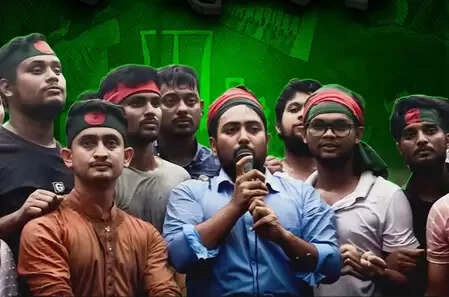
The election results in Bangladesh reveal a significant paradox: while the youth-led “Gen-Z Revolution” has achieved a remarkable victory on the streets, it has faced defeat in the ballot boxes. This observation, made by the Council on Foreign Relations (CFR), underscores the complexity of political dynamics in the country. The Gen-Z movement, characterized by its vibrant protests and demands for change, has mobilized a large segment of the population, particularly the younger generation, who are increasingly disillusioned with traditional political parties and their practices.
Despite the enthusiasm and activism displayed by this demographic on the streets, the election results suggest that their influence has not yet translated into electoral success. This discrepancy raises critical questions about the effectiveness of grassroots movements in shaping the political landscape within democratic frameworks. The apparent disconnect between public demonstrations and electoral outcomes may indicate systemic issues, such as voter suppression, manipulation of the electoral process, or a lack of viable political candidates who resonate with the aspirations of the youth.
Furthermore, the challenges faced by the Gen-Z Revolution reflect broader trends in global politics, where established powers often resist change brought about by emerging movements. The situation in Bangladesh serves as a poignant reminder that while social movements can galvanize public support and bring about significant cultural shifts, translating that momentum into political power remains a formidable challenge. It is essential for the youth to strategize effectively, not only to sustain their activism but also to engage in the political process in ways that can lead to meaningful change in governance and policy.