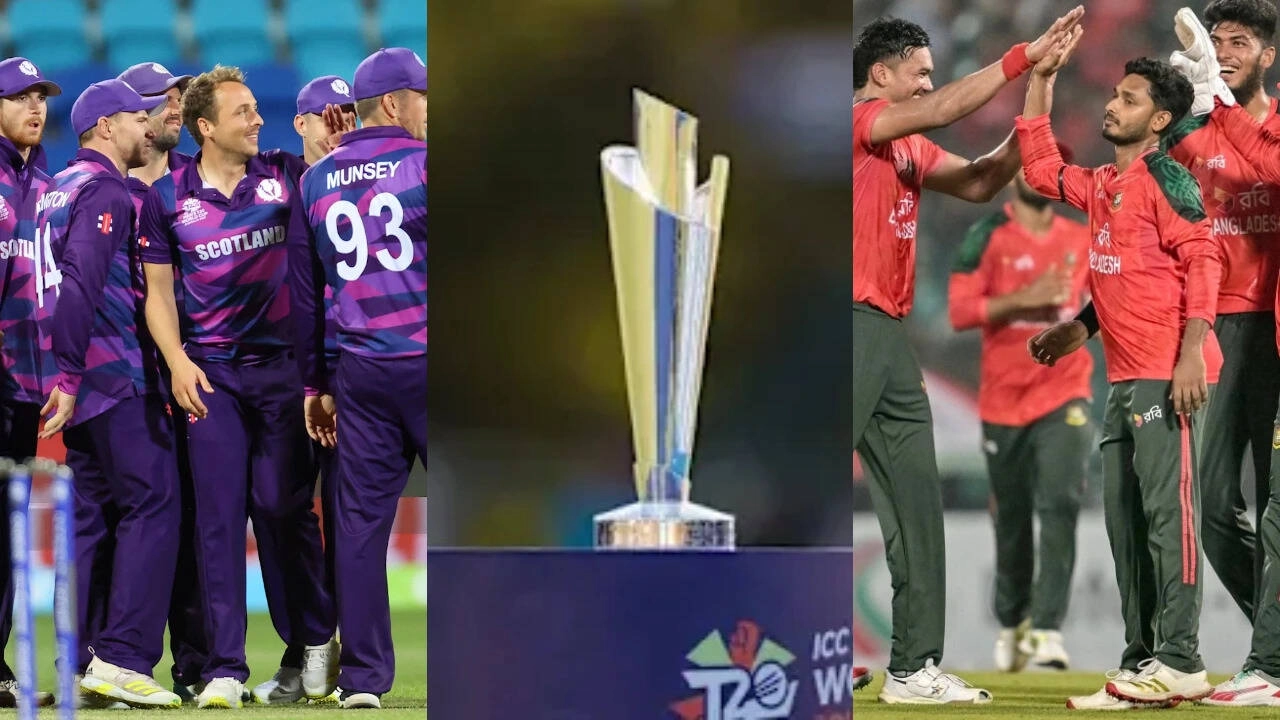
In a surprising turn of events during the T20 World Cup, Scotland has replaced Bangladesh, leading to significant changes in the tournament’s dynamics. The decision to boycott Bangladesh has opened up discussions about the implications of such actions in the world of cricket. This situation unfolds against the backdrop of Bangladesh’s recent struggles in international cricket, raising questions about their competitiveness and the factors influencing such a boycott.
The crux of the issue lies in the ongoing controversies surrounding the Bangladesh cricket team, which have led to discontent among various stakeholders. Scotland’s rise to prominence, coupled with Bangladesh’s decline, has created a unique scenario where a team that once struggled for recognition is now stepping into the limelight. This shift not only affects the teams involved but also alters the competitive landscape of the T20 World Cup, as Scotland’s participation signifies new opportunities for emerging cricketing nations.
Moreover, the decision to boycott is emblematic of larger trends in international sports, where political, social, and ethical considerations often intersect with the spirit of the game. As Scotland takes the field in place of Bangladesh, it will be crucial to observe how this change influences not only the matches but also the overall perception of cricket in the region. Fans, analysts, and players alike will be watching closely, as the repercussions of this decision could resonate well beyond the tournament itself.