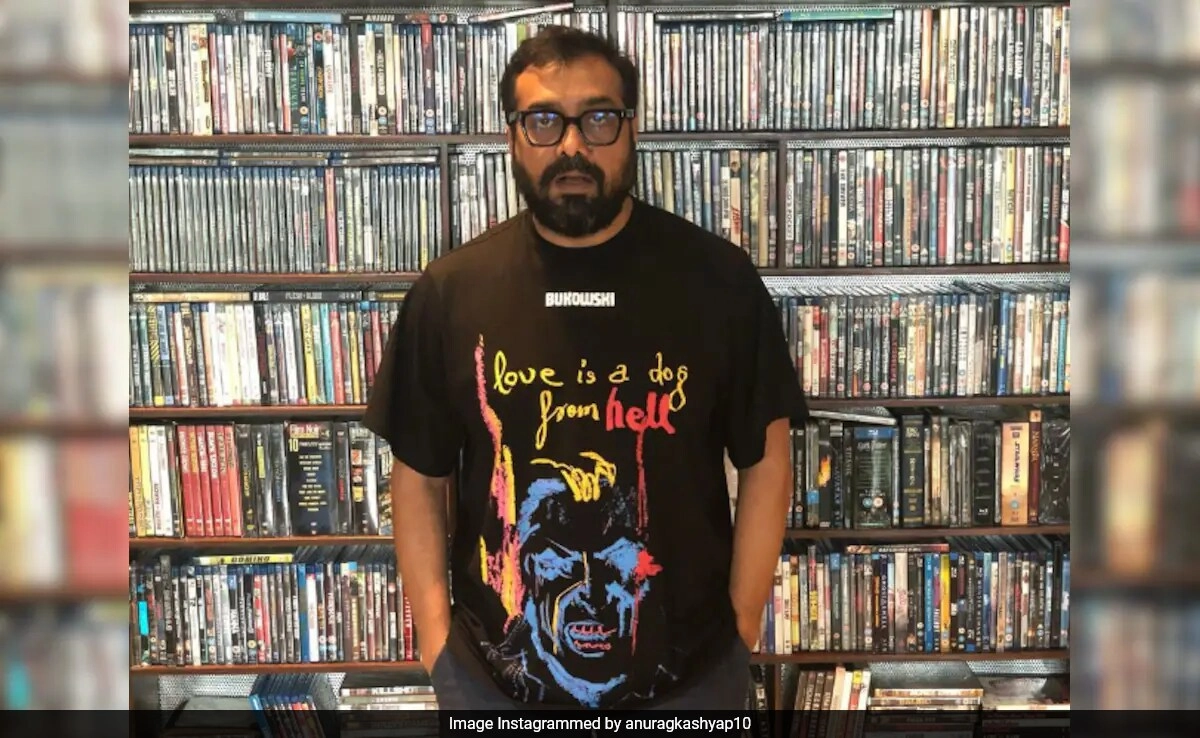
Filmmaker Anurag Kashyap has found himself embroiled in controversy following his remarks about the Brahmin community during a recent event in Jaipur. The comments, which many perceived as derogatory, have sparked outrage and led to a legal case being filed against him. Kashyap, known for his bold storytelling and candid opinions, has often been a polarizing figure in the Indian film industry. However, his latest statements appear to have crossed a line for some members of the Brahmin community, prompting them to take legal action.
The issue centers around Kashyap’s comments, which were made in a public forum, where he allegedly made sweeping generalizations about Brahmins. Critics argue that his words perpetuate stereotypes and contribute to social divisions. The backlash has not only resulted in the filing of a case but has also ignited a larger debate about free speech and accountability in the creative arts. Supporters of Kashyap have come to his defense, arguing that his remarks, while provocative, were intended to challenge societal norms and initiate dialogue around caste dynamics in India.
This incident in Jaipur reflects a growing tension in Indian society regarding caste and identity politics. As filmmakers and artists navigate the fine line between creative expression and social responsibility, situations like this highlight the potential consequences of public statements. Anurag Kashyap, who has previously tackled complex social issues through his films, now faces a challenge that extends beyond the silver screen. The legal case against him raises critical questions about the role of artists in addressing sensitive topics and the reactions they provoke within the community.
As the situation unfolds, it remains to be seen how Kashyap will respond to the allegations and whether this incident will impact his career. The case serves as a reminder of the delicate balance that creators must maintain when addressing cultural and social issues. In a country as diverse and complex as India, the conversation surrounding caste and identity continues to evolve, and the reactions of both the public and the legal system to artists’ comments will likely shape the discourse for years to come.