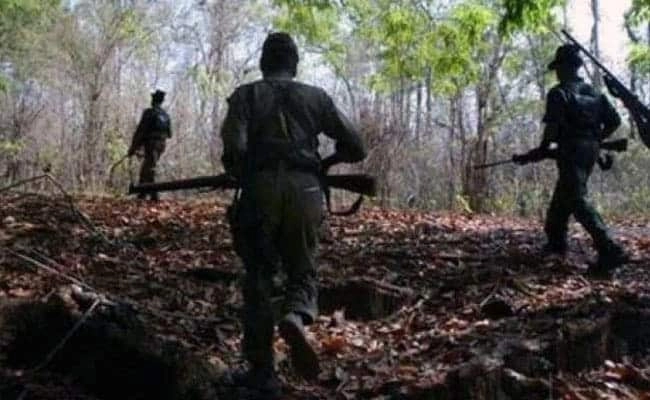
In a significant operation conducted by security forces in Chhattisgarh, at least five Maoist insurgents were reported gunned down. This incident highlights the ongoing conflict between government forces and Maoist groups in the region, which has long been plagued by violence and unrest. The encounter occurred in the dense forests of Dantewada district, a known hotspot for Maoist activity. Security personnel, acting on intelligence reports, engaged the armed insurgents, resulting in an intense firefight that ultimately led to the deaths of the militants.
The operation underscores the persistent challenge that Indian authorities face in combating Maoist insurgency, which has roots in social and economic grievances. The Maoists, who claim to represent the rights of marginalized communities, have been involved in a protracted struggle against the state, advocating for land rights and social justice. However, their methods, which include violent attacks on security forces and civilians, have drawn significant condemnation and have led to a robust security response. The recent operation reflects the government’s commitment to intensifying its counter-insurgency efforts in order to restore peace and stability in the affected areas.
In addition to the immediate outcome of the encounter, the incident also raises broader questions about the effectiveness of current strategies employed by the government in addressing the underlying issues that fuel Maoist violence. While security operations are crucial in dismantling armed groups, there is an increasing recognition that long-term solutions must also include socio-economic development and dialogue with local communities. It is essential for the government to implement policies that address the root causes of discontent, such as poverty, landlessness, and lack of access to basic services, to prevent the continued cycle of violence.
As the situation in Chhattisgarh continues to evolve, the recent encounter serves as a reminder of the complexities involved in addressing insurgency. While the immediate success of neutralizing armed threats is important, sustained efforts towards peacebuilding and community engagement will be vital in achieving lasting stability in the region. Only through a multi-faceted approach that combines security measures with developmental initiatives can the government hope to quell the insurgency and foster an environment conducive to peace and prosperity for all citizens.