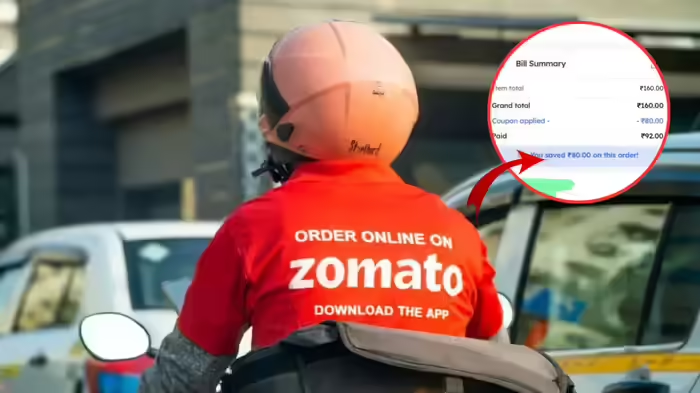
Seven years ago, the food delivery landscape was quite different from what we see today. A viral bill from 2015 has sparked nostalgia among users of Zomato, revealing an era when food was significantly cheaper to order. Back then, consumers enjoyed the convenience of having meals delivered to their doorsteps without the additional burden of delivery charges or platform fees that have become commonplace in recent years. This change reflects a broader trend in the food delivery industry, where the costs associated with ordering online have steadily increased.
The viral bill showcases a time when people could indulge in their favorite dishes without worrying about inflated prices. As the popularity of food delivery services surged, so did the costs, leading many to reminisce about the simpler times when enjoying a meal at home was far more affordable. The stark difference in prices between 2015 and today highlights how market dynamics have evolved, influenced by various factors such as inflation, rising operational costs, and the competitive landscape among food delivery platforms.
Today, consumers are often faced with a myriad of additional charges that can significantly increase the total cost of their orders. While the convenience of food delivery remains unparalleled, the added expenses can deter some customers from opting for this service. The 2015 bill serves as a reminder of the changing times and invites discussions about the balance between convenience and cost in the current food delivery market. As we look back at those days, it becomes evident that while technology and services have improved, the affordability of enjoying a meal at home has taken a hit, prompting many to rethink their dining choices.