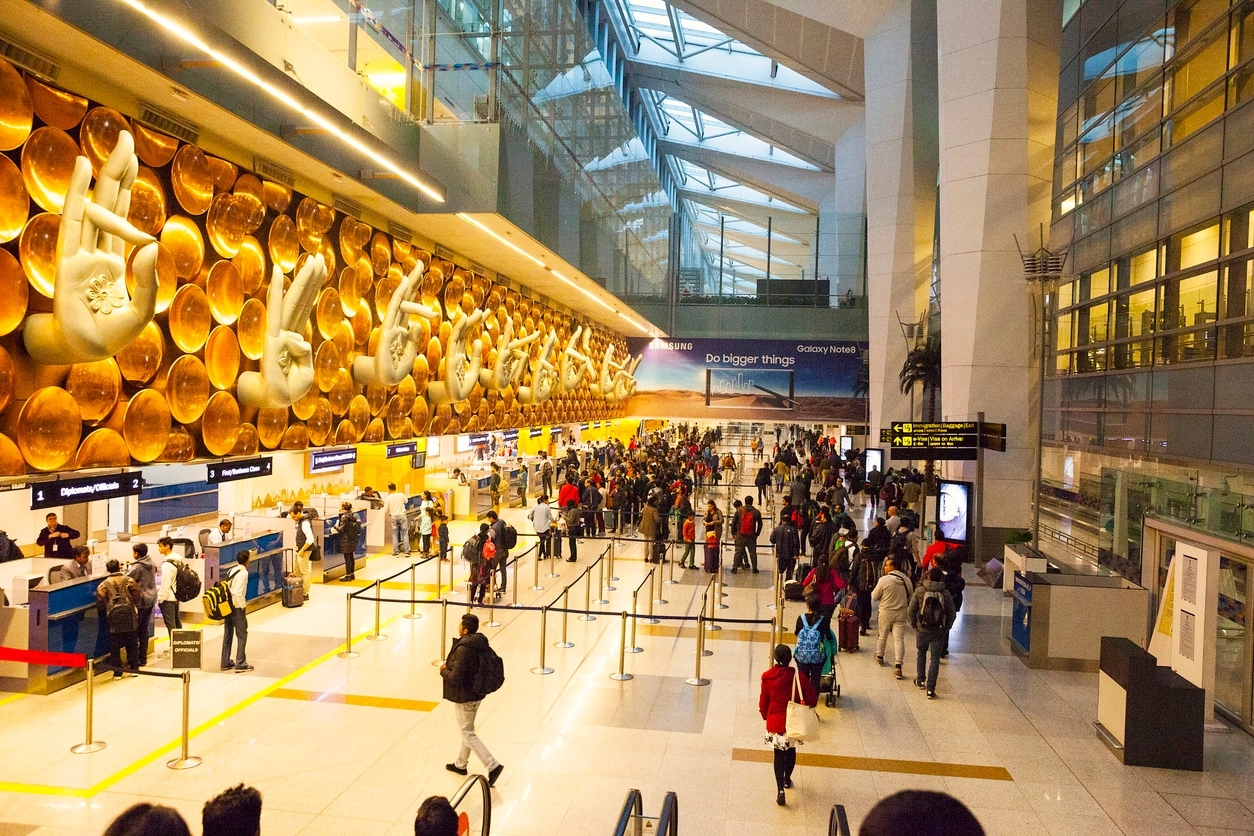
In a significant disruption to air travel, over 200 flights have been canceled, leading to widespread inconvenience for passengers and airlines alike. This situation has arisen due to a combination of factors, including adverse weather conditions, technical issues, and possibly labor disputes affecting airport operations. The ripple effects of these cancellations have been felt across various regions, with travelers struggling to find alternative flights and accommodations. Many passengers are left stranded, grappling with the uncertainty of when they might be able to continue their journeys.
Additionally, 18 airports have temporarily closed their operations, further complicating the situation. These closures can stem from safety concerns, including severe weather events such as storms or heavy snowfall, which can make runways unsafe for takeoffs and landings. The temporary shutdowns not only affect flight schedules but also have a cascading impact on ground services, including baggage handling and passenger services. Many travelers are left in limbo as they navigate the complexities of rescheduling their flights and dealing with the associated logistical challenges.
Airlines are working diligently to manage the fallout from these cancellations and airport closures. They are deploying resources to accommodate affected passengers, including offering refunds, rebooking options, and in some cases, hotel accommodations for those stranded. However, the sheer volume of cancellations means that the recovery process will take time. Travelers are advised to stay informed through their airlines and check for updates regarding their flights. The situation serves as a reminder of the vulnerabilities in air travel and the importance of being prepared for unexpected disruptions.