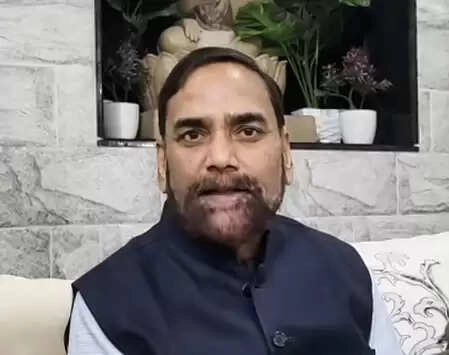
Rajeev Ranjan has expressed a strong opinion regarding renowned lyricist Javed Akhtar’s involvement in political matters. He believes that there is no need for such distinguished individuals in the arts, like Akhtar, to intervene in political affairs. Ranjan argues that while artists and intellectuals can lend their voices to social issues, their primary role should remain within their respective fields. He emphasizes that the essence of creativity and artistic expression can sometimes be diluted when artists engage too deeply in politics.
Ranjan’s statement reflects a broader sentiment about the intersection of art and politics. He acknowledges the power of artists to influence public opinion and bring attention to critical issues, but he cautions against the potential pitfalls of political engagement. According to him, artists should focus on their craft and let their work speak for itself rather than becoming embroiled in the often tumultuous world of politics. This perspective raises questions about the responsibilities of public figures and the impact of their words and actions on their primary audience.
In a world where the lines between art and activism are increasingly blurred, Ranjan’s remarks serve as a reminder of the importance of maintaining a degree of separation. While artists like Javed Akhtar may have valuable insights to share, their contributions can sometimes be overshadowed by political controversies. Ranjan’s call for artists to remain focused on their artistic endeavors invites a discussion about the role of creativity in society and the responsibility of artists to remain true to their craft amidst the pressures of political discourse. Ultimately, the balance between art and activism is a delicate one, and Ranjan’s comments contribute to an ongoing conversation about where that balance should lie.