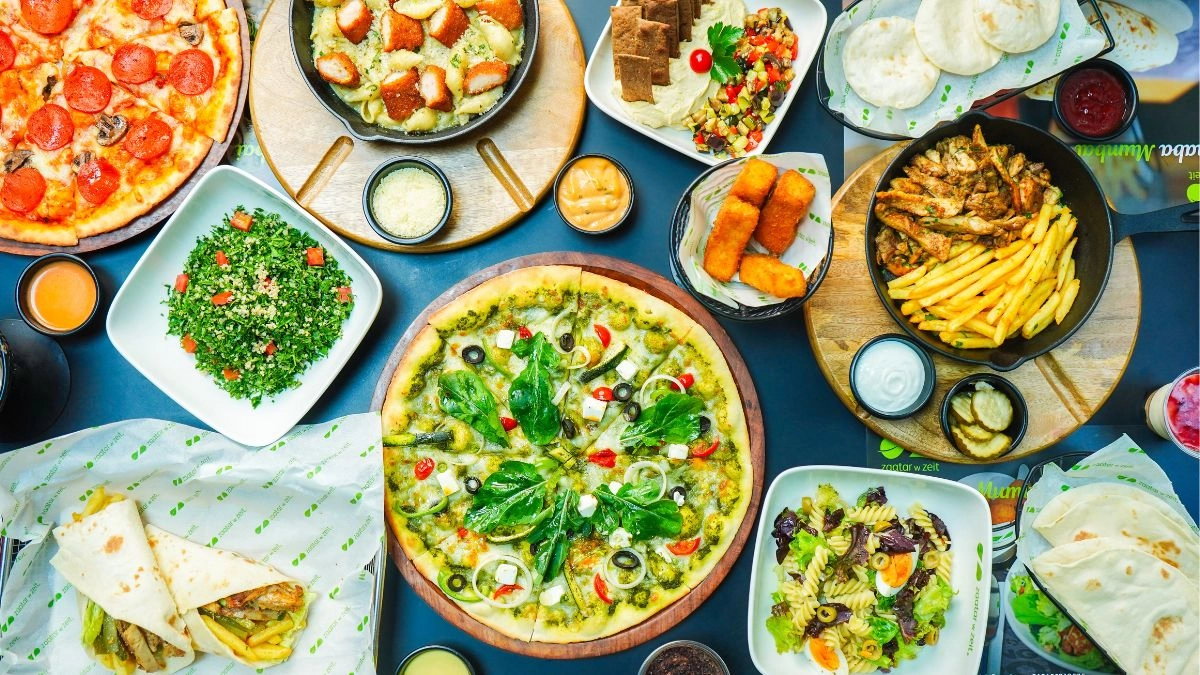
In today’s fast-paced world, the convenience of takeout food has become increasingly appealing to many individuals, particularly for those who view cooking as a burdensome task. One woman has taken this sentiment to an extreme, openly declaring that she considers cooking a “waste of money and time.” For her, the allure of takeout food is undeniable, as it offers a quick and easy solution to daily meals without the hassle of grocery shopping, meal preparation, and clean-up. This perspective raises interesting questions about our evolving relationship with food, nutrition, and the value we place on home-cooked meals versus the convenience of dining out.
For this woman, the decision to rely solely on takeout is not just a matter of convenience; it reflects a broader cultural shift towards prioritizing immediate gratification over long-term health considerations. While takeout can certainly be a time-saver, the nutritional implications are significant. Many takeout options are often high in calories, sugar, and unhealthy fats, which can lead to various health issues if consumed excessively. Critics of her approach might argue that by dismissing cooking entirely, she is missing out on the benefits of preparing her meals, including better control over ingredients, portion sizes, and overall dietary balance.
Moreover, the social aspect of cooking and sharing meals with family and friends is often overlooked in discussions about food. Cooking can be a bonding experience, a way to create memories, and a means of expressing creativity. For this woman, the choice to forgo cooking entirely could mean missing out on these enriching experiences. While it is understandable that many people lead busy lives and might prefer the ease of takeout, it is essential to recognize the potential downsides of relying solely on this option. There is a delicate balance to strike between convenience and a healthy, satisfying diet that nourishes both the body and the spirit.
As society continues to embrace the convenience of takeout, it is crucial to consider the long-term implications of such choices. Perhaps there is room for a middle ground—incorporating the convenience of takeout while also reintroducing cooking into one’s routine, even in small ways. By learning to prepare simple meals or experimenting with quick recipes, individuals can enjoy the best of both worlds: the joy of cooking and the ease of takeout. Ultimately, the relationship we cultivate with food should be one that nourishes not only our bodies but also our connections with others and our overall well-being.