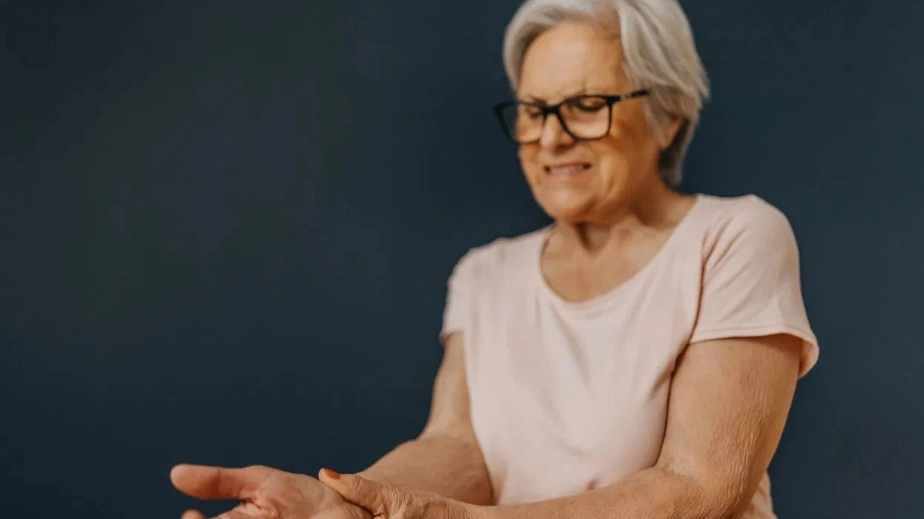
After menopause, many women experience a significant decrease in bone density, leading to an increased risk of osteoporosis and fractures. This weakening of bones is largely attributed to hormonal changes, particularly the reduction in estrogen levels. Estrogen plays a crucial role in maintaining bone health by aiding in the regulation of bone remodeling—a process in which old bone is replaced by new bone. When estrogen levels drop, this balance is disrupted, leading to an increase in bone resorption (the process by which bone is broken down) and a decrease in bone formation.
However, another critical factor contributing to the deterioration of bone health post-menopause is the deficiency of a specific nutrient: calcium. Calcium is vital for maintaining strong bones, and its importance cannot be overstated. During menopause, the body’s ability to absorb calcium can diminish, compounded by dietary insufficiencies. Many women may not consume enough calcium-rich foods, such as dairy products, leafy greens, and fortified foods, which can lead to a negative impact on bone density.
Furthermore, vitamin D is another essential nutrient that works in tandem with calcium to promote bone health. Vitamin D helps the body absorb calcium effectively and plays a role in bone remodeling. Without adequate levels of vitamin D, even if calcium intake is sufficient, the body may still struggle to maintain optimal bone density. Many women, especially those post-menopause, may find themselves lacking in both calcium and vitamin D, which puts them at greater risk for bone-related issues.
To combat these risks, it’s essential for post-menopausal women to focus on a balanced diet rich in calcium and vitamin D. In some cases, healthcare providers may recommend supplements to ensure adequate intake. Regular weight-bearing exercises can also help strengthen bones, along with lifestyle changes such as avoiding smoking and limiting alcohol consumption. By addressing the nutritional deficiencies and making healthy lifestyle choices, women can take proactive steps to maintain their bone health after menopause.