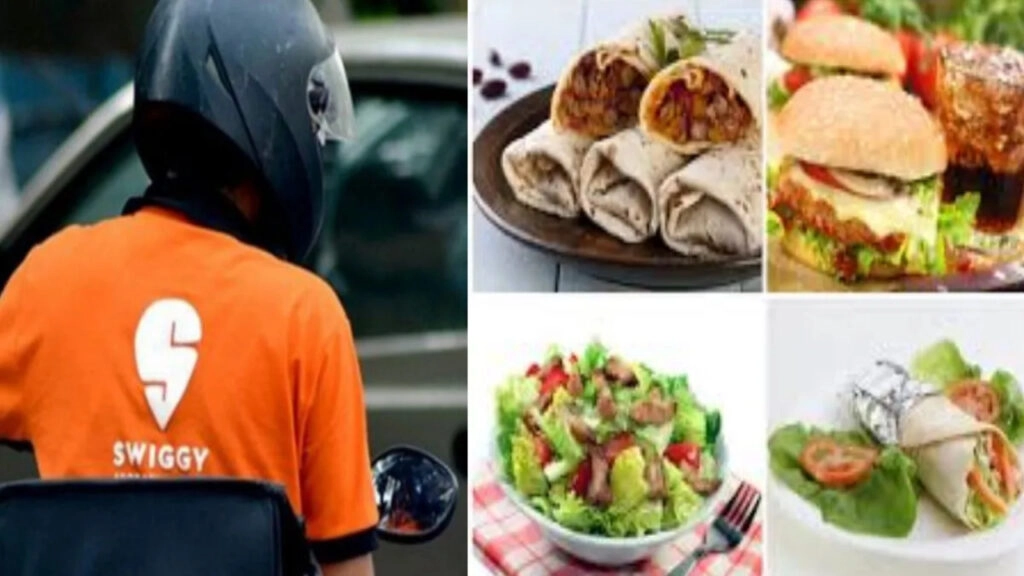
Swiggy, the popular food delivery platform in India, has recently made the significant decision to shut down its 10-minute food delivery service, a venture that aimed to revolutionize the speed of food delivery in the competitive market. This initiative, which promised customers the convenience of receiving their orders in an astonishingly short timeframe, has faced various operational and logistical challenges since its inception. The decision to discontinue this service reflects the company’s strategic shift in focus towards ensuring sustainability and efficiency in its core delivery operations rather than just speed.
The closure of the 10-minute delivery service raises questions about the future direction of Swiggy and its overall impact on the food delivery landscape in India. With the growing demand for rapid delivery services, Swiggy’s move could be interpreted as a retreat from a high-stakes race to deliver food faster than competitors like Zomato. Instead, the company may prioritize enhancing its existing delivery framework, improving customer service, and expanding its restaurant partnerships to maintain a competitive edge in the market.
Moreover, this decision could lead to a reevaluation of the business models employed by food delivery companies. As the industry matures, companies may need to focus on balancing speed with quality and reliability, ensuring that they meet customer expectations without compromising the welfare of their delivery personnel. The shift away from a hyper-fast delivery model may also encourage Swiggy to innovate in other areas, such as meal preparation and partnerships with local restaurants, ultimately enriching the customer experience.
In conclusion, while the discontinuation of the 10-minute delivery service marks the end of an ambitious experiment, it opens up new opportunities for Swiggy and similar platforms to refine their operational strategies. By focusing on sustainable growth and enhancing service quality, Swiggy can position itself to navigate the evolving demands of the food delivery market in India, ensuring it continues to serve its customers effectively in the long run. As the industry adapts to these changes, it will be interesting to see how Swiggy and its competitors innovate and respond to the shifting landscape of consumer preferences.