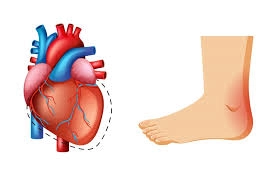
Persistent swelling in the legs can often be a warning sign of underlying health issues, particularly heart failure. This condition arises when the heart is unable to pump blood effectively, leading to a variety of symptoms that can affect a person’s quality of life. When the heart struggles to circulate blood properly, it can result in fluid buildup in the body’s tissues, particularly in the lower extremities. This phenomenon, known as edema, can manifest as noticeable swelling in the legs, ankles, and feet.
It is essential to recognize that while leg swelling can stem from various factors, including prolonged sitting, pregnancy, or injury, persistent swelling should not be overlooked. In cases where heart failure is the cause, individuals may experience additional symptoms such as shortness of breath, fatigue, and irregular heartbeat. These symptoms can indicate that the heart’s functionality is compromised, and seeking medical attention is crucial for proper diagnosis and treatment.
Early intervention can significantly improve outcomes for individuals experiencing persistent leg swelling due to heart failure. Healthcare providers may conduct a thorough evaluation, including physical exams and diagnostic tests, to determine the root cause of the swelling. Treatment plans may involve lifestyle changes, medication, and, in some instances, surgical procedures to manage the underlying heart condition. By addressing heart failure early, individuals can alleviate symptoms, improve their overall health, and enhance their quality of life. Therefore, it is vital to pay attention to persistent swelling in the legs and consult a healthcare professional for a comprehensive assessment.