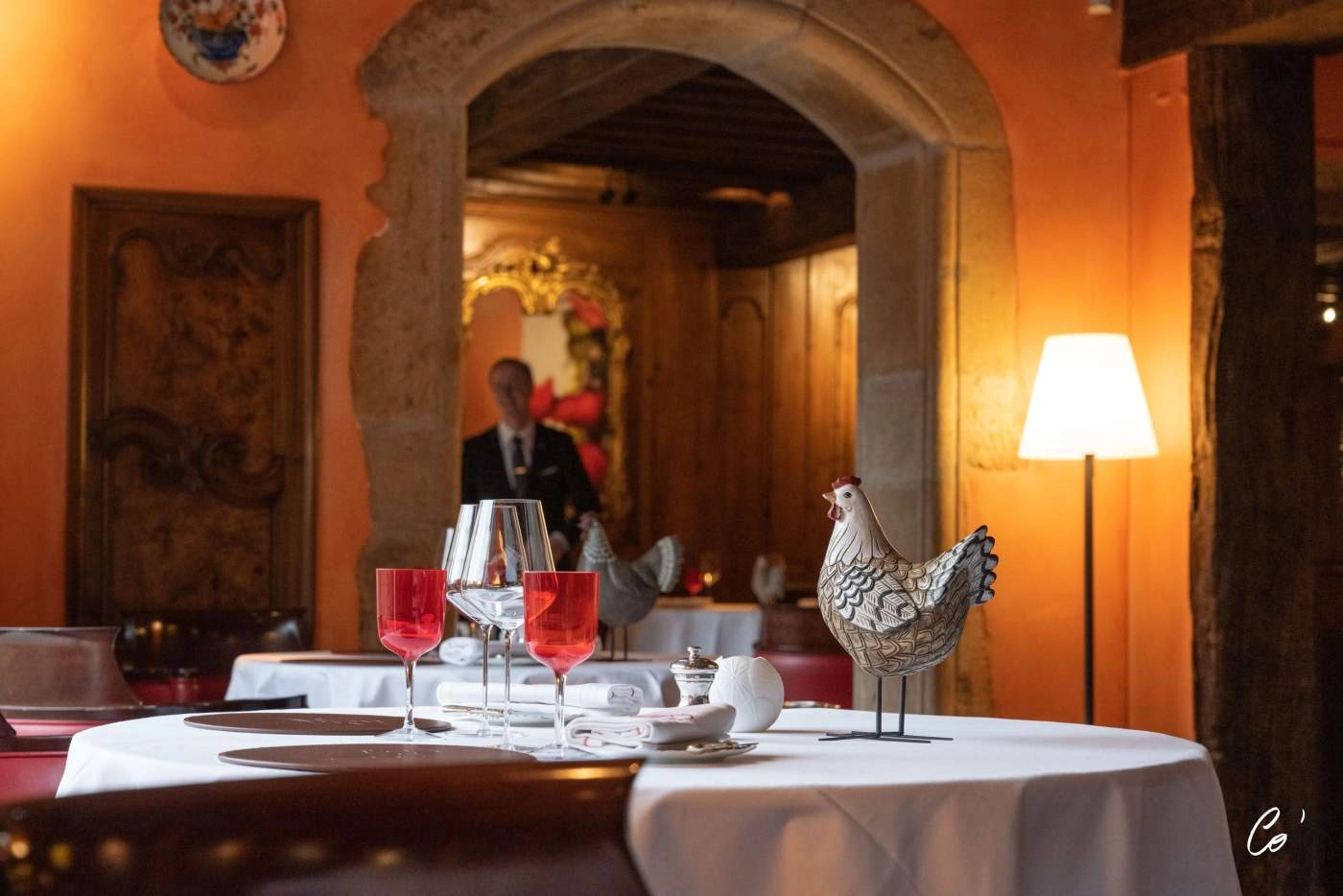
The culinary world is abuzz with the news that the world’s oldest Michelin-starred restaurant has lost its prestigious third star after more than four decades of culinary excellence. This iconic establishment, celebrated for its rich history and exceptional cuisine, has been a beacon of gastronomic achievement since it first received its Michelin accolades. For many food enthusiasts and critics around the globe, the loss of such a significant honor raises questions about the evolving standards of fine dining and the pressures faced by long-standing establishments to maintain their status.
The restaurant, renowned for its exquisite dishes and impeccable service, has been a pilgrimage site for food lovers since it first opened its doors. Over the years, it has not only survived the test of time but has also set benchmarks in the culinary arts, inspiring countless chefs and restaurants worldwide. Its three-star rating was a testament to its unwavering commitment to excellence, creativity, and innovation. However, in recent times, some critics and diners have noted a shift in its offerings and overall dining experience, leading to speculation about the factors that contributed to the loss of its third star.
Michelin stars are awarded based on a rigorous set of criteria, including the quality of ingredients, mastery of technique, the personality of the chef as expressed in the cuisine, and consistency. Losing a star can be a devastating blow, especially for a restaurant that has enjoyed the highest accolade for so long. The decision often reflects not just the restaurant’s current state but also the changing dynamics of the culinary landscape. As dining experiences evolve, establishments must continually innovate to meet the expectations of discerning diners and Michelin inspectors alike.
While the loss of a third star may be seen as a setback, it also presents an opportunity for reflection and reinvention. Many chefs and restaurant owners have faced similar challenges and have emerged stronger, often reimagining their culinary approach and revitalizing their menus. The story of this historic restaurant is far from over; it may serve as a catalyst for change, allowing the establishment to embrace new ideas and perspectives while honoring its legacy. As the culinary community watches closely, the restaurant’s next steps will be critical in determining its future trajectory and ability to reclaim its stellar reputation.