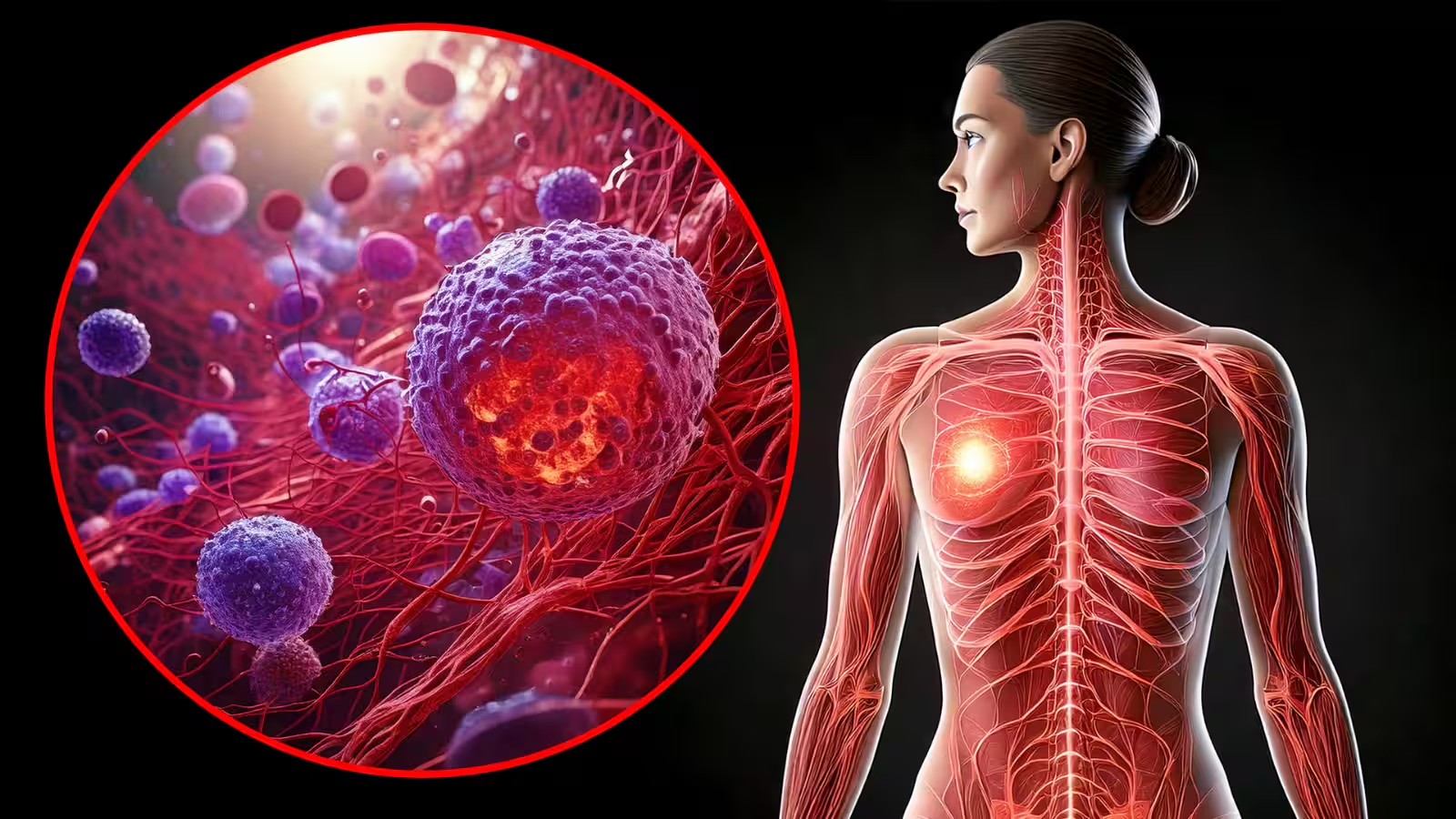
A recent study has raised alarms regarding the potential health risks associated with night shifts and frequent flying, particularly in relation to aggressive forms of breast cancer in women. Researchers have found a concerning link between these factors and an increased likelihood of developing more aggressive breast cancer types. The study suggests that the disruption of circadian rhythms, which are the body’s natural sleep-wake cycles, plays a significant role in this heightened risk. Night shifts can lead to irregular sleeping patterns and hormonal imbalances, which may contribute to cancer development.
Frequent flying, especially across multiple time zones, can exacerbate these issues by further disrupting circadian rhythms. The study emphasizes that the body’s internal clock is crucial for regulating various biological functions, including hormone production. Disruption of these cycles is believed to have a cascading effect on overall health, potentially leading to an increase in the incidence of aggressive cancers. This connection highlights the need for further research into how lifestyle factors, particularly those related to work and travel, can influence women’s health.
Given the significant number of women who work night shifts or travel frequently for their jobs, the findings of this study are particularly relevant. Employers and health policymakers may need to consider the implications of these work schedules on women’s health. There is a growing call for more awareness and preventive measures to mitigate these risks. This could include promoting healthier work-life balance practices and providing resources for employees to manage their health better in the face of demanding schedules.
In conclusion, the study underscores the importance of further investigation into lifestyle factors that may contribute to serious health risks such as aggressive breast cancer. As more women engage in night shifts and frequent travel, understanding the potential consequences on their health becomes increasingly critical. By raising awareness and encouraging healthier practices, it may be possible to reduce the risk and improve the overall well-being of women in the workforce.