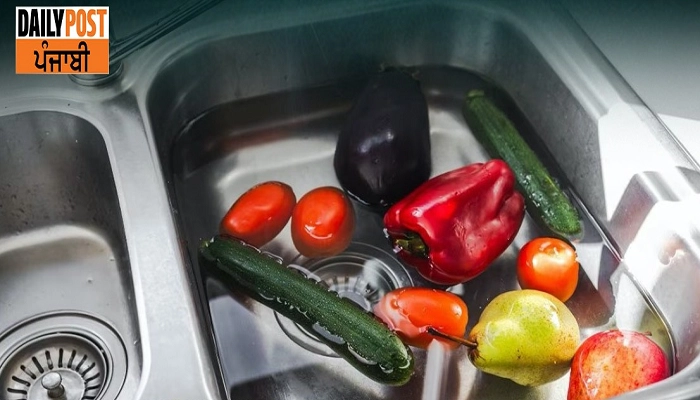
Washing vegetables with baking soda has become a popular practice among health-conscious individuals who aim to eliminate pesticide residues and dirt from their produce. Many people believe that using baking soda, which is known for its natural cleaning properties, can effectively cleanse fruits and vegetables. Health experts, however, have mixed opinions on this method. While some acknowledge that baking soda can be useful for removing certain contaminants, others caution that it may not be a comprehensive solution for all types of pesticides.
Research indicates that baking soda can help in breaking down certain pesticide residues on the surface of fruits and vegetables. A study published in the Journal of Agricultural and Food Chemistry found that soaking produce in a baking soda solution for 12 to 15 minutes significantly reduced pesticide levels. This suggests that using baking soda can be an effective way to enhance the cleanliness of your vegetables. However, it’s essential to note that this method may not eliminate all harmful substances, especially systemic pesticides that have been absorbed into the plant.
Moreover, health experts emphasize the importance of washing vegetables thoroughly with water, regardless of whether baking soda is used. Proper rinsing can help remove dirt and bacteria, providing an additional layer of safety. It is also recommended to scrub firm produce like cucumbers and potatoes with a brush to ensure a more thorough cleaning. While baking soda can be beneficial, it should not be viewed as a replacement for traditional washing methods but rather as a complementary approach.
In conclusion, washing vegetables with baking soda can be a good practice when done correctly, as it may help reduce pesticide residues. However, it is crucial to combine this method with thorough rinsing under running water to maximize safety and hygiene. As with any cleaning method, being informed and cautious is key to ensuring that the food we consume is safe and healthy.