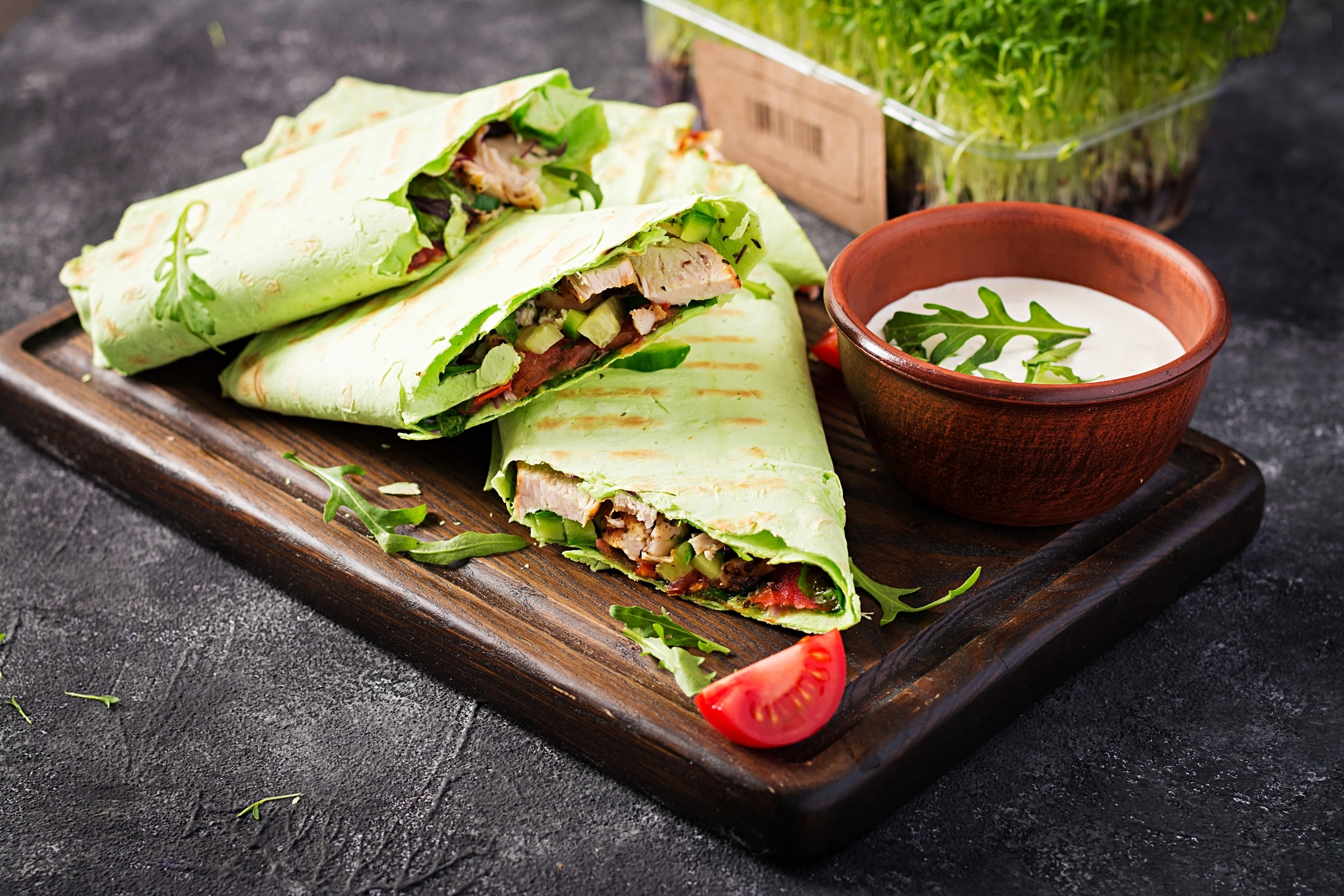
Experiencing bloating after consuming home-cooked meals can be a perplexing and uncomfortable sensation. This common phenomenon can be attributed to various factors, including the ingredients used, cooking methods, and even individual dietary habits. One significant contributor to post-meal bloating is the presence of certain foods that are known to produce gas in the digestive system. Ingredients such as beans, lentils, broccoli, and onions, while nutritious, can lead to increased flatulence. These foods contain complex carbohydrates and fibers that can be challenging for some individuals to digest, resulting in gas production and a feeling of fullness or discomfort.
Another factor to consider is portion size. Home-cooked meals often lead to larger servings compared to restaurant portions, primarily because we tend to prepare more food than necessary. Overeating can stretch the stomach and cause bloating as the body works harder to digest the excess food. Additionally, the speed at which we eat can impact digestion; consuming meals quickly does not allow the body adequate time to signal fullness, leading to overeating and subsequent bloating.
Cooking methods can also play a role in how we feel after eating. For instance, frying foods or using heavy sauces can increase the fat content of meals, which may slow down digestion and lead to feelings of heaviness and discomfort. Conversely, steaming or boiling vegetables can preserve their nutrients while making them easier to digest. The balance of ingredients and the choice of cooking techniques can significantly affect how our bodies respond to home-cooked meals.
Lastly, individual factors such as food intolerances or sensitivities can contribute to bloating after eating. Some people may have difficulty digesting lactose found in dairy products or gluten present in wheat, leading to gastrointestinal discomfort. Keeping a food diary to track meals and symptoms can be helpful in identifying specific triggers. Ultimately, understanding the reasons behind post-meal bloating can empower individuals to make informed choices about their meals, leading to more enjoyable and comfortable dining experiences at home.