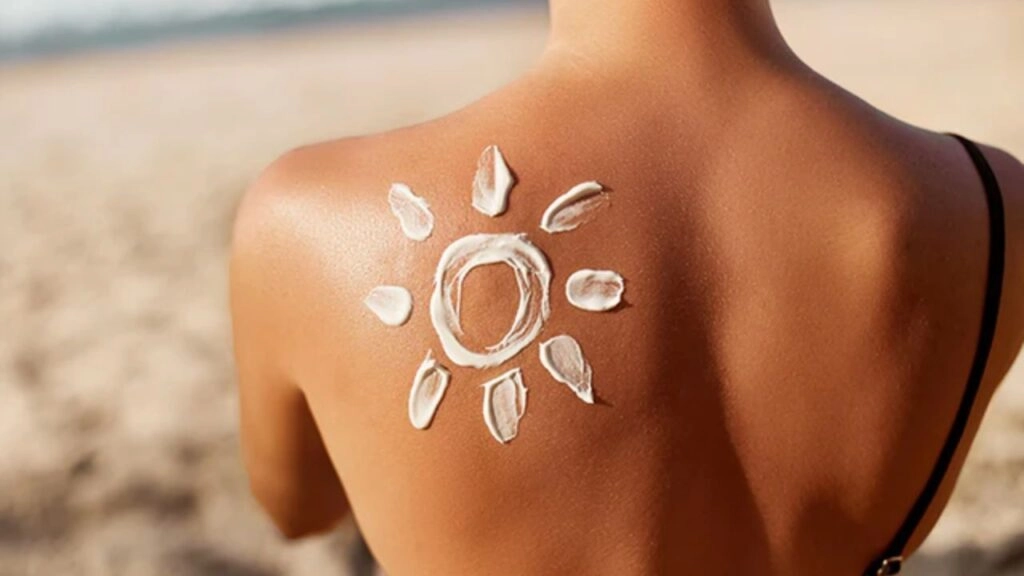
Choosing and applying sunscreen correctly is essential to ensure full protection from harmful UV rays. The first key tip is to select a broad-spectrum sunscreen with an SPF of at least 30. Broad-spectrum sunscreens protect against both UVA and UVB rays, which are responsible for skin damage and increase the risk of skin cancer. Additionally, it’s crucial to check the expiration date on the product, as expired sunscreen may not provide effective protection. Opt for a water-resistant formula if you plan to swim or sweat, as this will help maintain protection even when exposed to moisture.
When it comes to application, the amount of sunscreen used is just as important as the product chosen. A general rule of thumb is to apply one ounce, roughly the amount of a shot glass, to cover the entire body adequately. Don’t forget commonly overlooked areas such as the ears, the back of the neck, and the tops of the feet. It’s also essential to apply sunscreen 15 to 30 minutes before sun exposure to allow the product to absorb into the skin effectively. Reapplication is equally vital; sunscreen should be reapplied every two hours, or immediately after swimming or excessive sweating, to maintain its protective barrier.
In addition to using sunscreen, consider incorporating other sun protection measures. Wearing protective clothing, such as long-sleeved shirts and wide-brimmed hats, can significantly reduce UV exposure. Seeking shade during peak sun hours, typically between 10 AM and 4 PM, is also an effective strategy. Sunglasses that block 100% of UV rays are essential for protecting your eyes and the surrounding skin. By combining these practices with proper sunscreen use, you can maximize your protection against the sun’s harmful effects and maintain healthier skin in the long run.