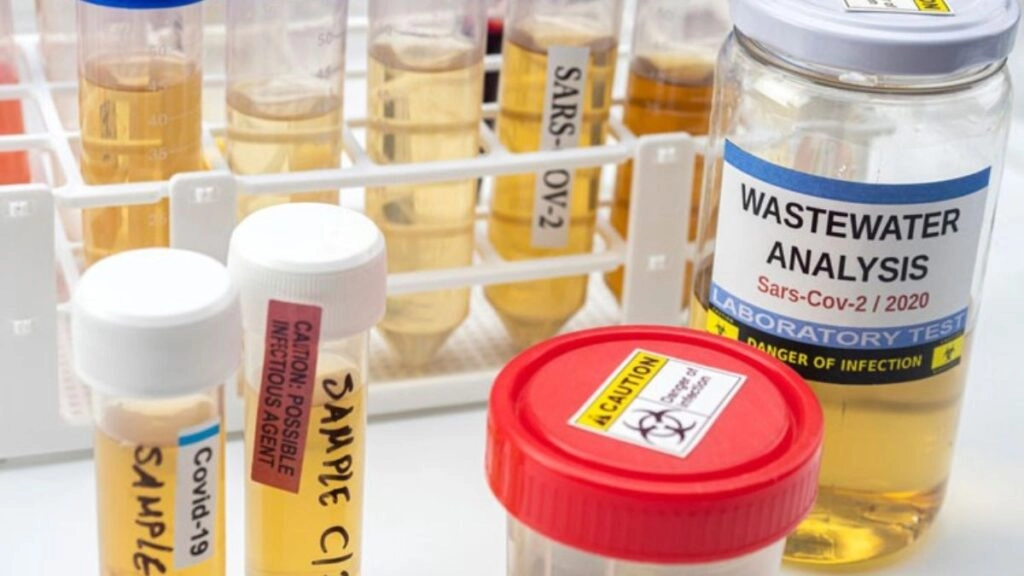
Wastewater surveillance is emerging as a crucial component in realizing India’s ‘One Health’ vision, which emphasizes the interconnectedness of human, animal, and environmental health. This multifaceted approach recognizes that diseases can spread across these domains, making it essential to monitor and manage health risks holistically. By analyzing wastewater, public health officials can gain valuable insights into the prevalence of pathogens, antimicrobial resistance, and even the overall health of communities. This kind of surveillance can serve as an early warning system for potential outbreaks, allowing for timely interventions and better preparedness.
In India, where a significant portion of the population relies on shared water resources, the integration of wastewater surveillance into public health strategies is particularly vital. The country’s diverse ecosystems and varying levels of sanitation can lead to the rapid spread of contaminants, affecting not only human health but also agricultural productivity and animal well-being. By implementing systematic wastewater monitoring, India can identify hotspots for disease transmission and take proactive measures to mitigate risks. This approach also provides a cost-effective means of monitoring health trends, especially in areas where traditional surveillance methods may be limited due to resource constraints.
Moreover, wastewater surveillance aligns with India’s broader public health goals, such as the National Health Mission and various initiatives aimed at combating antimicrobial resistance. By incorporating data from wastewater analysis, policymakers can develop targeted interventions that address specific health threats. For instance, if certain pathogens are detected at elevated levels, health authorities can mobilize resources to conduct vaccination drives or improve sanitation in affected regions. The integration of wastewater data into health planning can lead to more effective resource allocation and improved health outcomes.
Ultimately, embracing wastewater surveillance as a key element of India’s ‘One Health’ vision can foster a more resilient public health infrastructure. It encourages collaboration across sectors, including health, agriculture, and environmental management, leading to comprehensive strategies that protect the health of all living beings. As India continues to navigate the challenges posed by emerging infectious diseases and environmental changes, wastewater surveillance could play a pivotal role in safeguarding the nation’s health and ensuring a sustainable future.