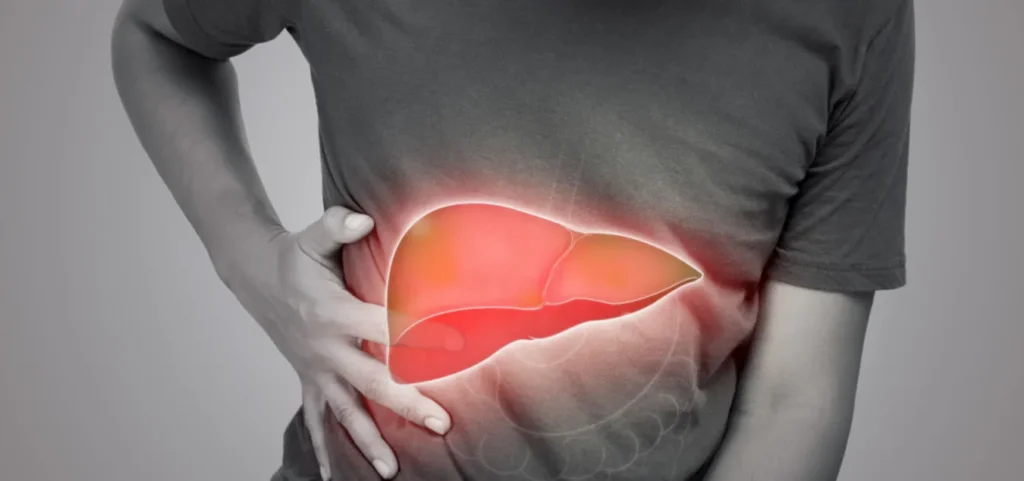
Fatty liver disease, characterized by an accumulation of excess fat in liver cells, can manifest with various early signs that often go unnoticed. One of the most common symptoms is fatigue, which may be attributed to the body struggling to perform its essential functions effectively. As the liver becomes increasingly overwhelmed with fat deposits, its ability to metabolize substances and produce energy diminishes, leading to a constant state of tiredness and lethargy. This fatigue can significantly impact daily activities and overall quality of life, making it crucial to pay attention to these early warning signs.
Another notable early sign of fatty liver is the increase in belly fat. Many individuals may notice a change in their body composition, particularly in the abdominal area. This can be attributed to the liver’s impaired ability to process fats, resulting in their accumulation in the body. As the liver’s health declines, it may lead to a range of metabolic disturbances, contributing to weight gain and difficulty in losing excess fat, especially around the midsection. Recognizing this change can serve as an important indicator of underlying liver health issues.
In addition to fatigue and increased belly fat, other symptoms may include vague discomfort in the upper right abdomen, unintentional weight loss, and changes in appetite. These signs can often be dismissed or attributed to other factors, but they may signal the need for a closer examination of one’s liver health. Early detection and lifestyle modifications, such as adopting a balanced diet and increasing physical activity, can play a vital role in reversing fatty liver disease and preventing its progression to more severe conditions, such as cirrhosis or liver failure. Therefore, it is essential to be vigilant about these early signs and consult with a healthcare professional when they arise.