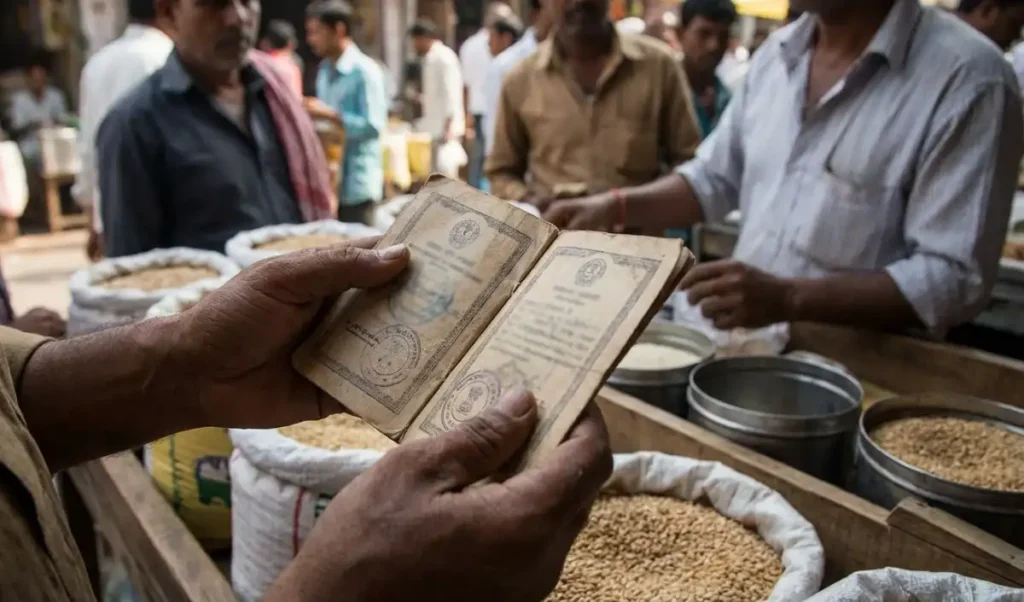
The process of electronic Know Your Customer (e-KYC) for ration cards is essential for verifying the identity of beneficiaries and ensuring that the distribution of food grains and subsidies is efficient and transparent. There are two primary methods for conducting e-KYC: online and offline.
For the online e-KYC process, beneficiaries can visit the official website of their respective state’s food department. Users will need to log in using their registered mobile number and provide necessary details such as their ration card number and other personal information. After submitting the required data, the system may prompt users to upload essential documents, such as identity proof and address verification. Once the submission is complete, the application will be processed, and beneficiaries will receive a confirmation message. This method is convenient and reduces the need for physical visits to government offices.
On the other hand, the offline e-KYC process requires beneficiaries to visit the local ration office or designated centers. They must carry their ration card along with supporting documents like Aadhar cards or other forms of identification. Officials at the office will assist in verifying the documents and completing the KYC process. Although this method may take more time due to waiting periods, it ensures that individuals without internet access also have the opportunity to update their information.
Both methods aim to enhance the efficiency of the Public Distribution System (PDS) and curb issues related to duplicate or fraudulent ration cards. By implementing e-KYC, the government seeks to ensure that subsidies reach the intended beneficiaries, thereby promoting transparency and accountability in the distribution of essential commodities. As the digital landscape continues to evolve, initiatives like e-KYC for ration cards are crucial for improving service delivery and fostering trust in public systems.