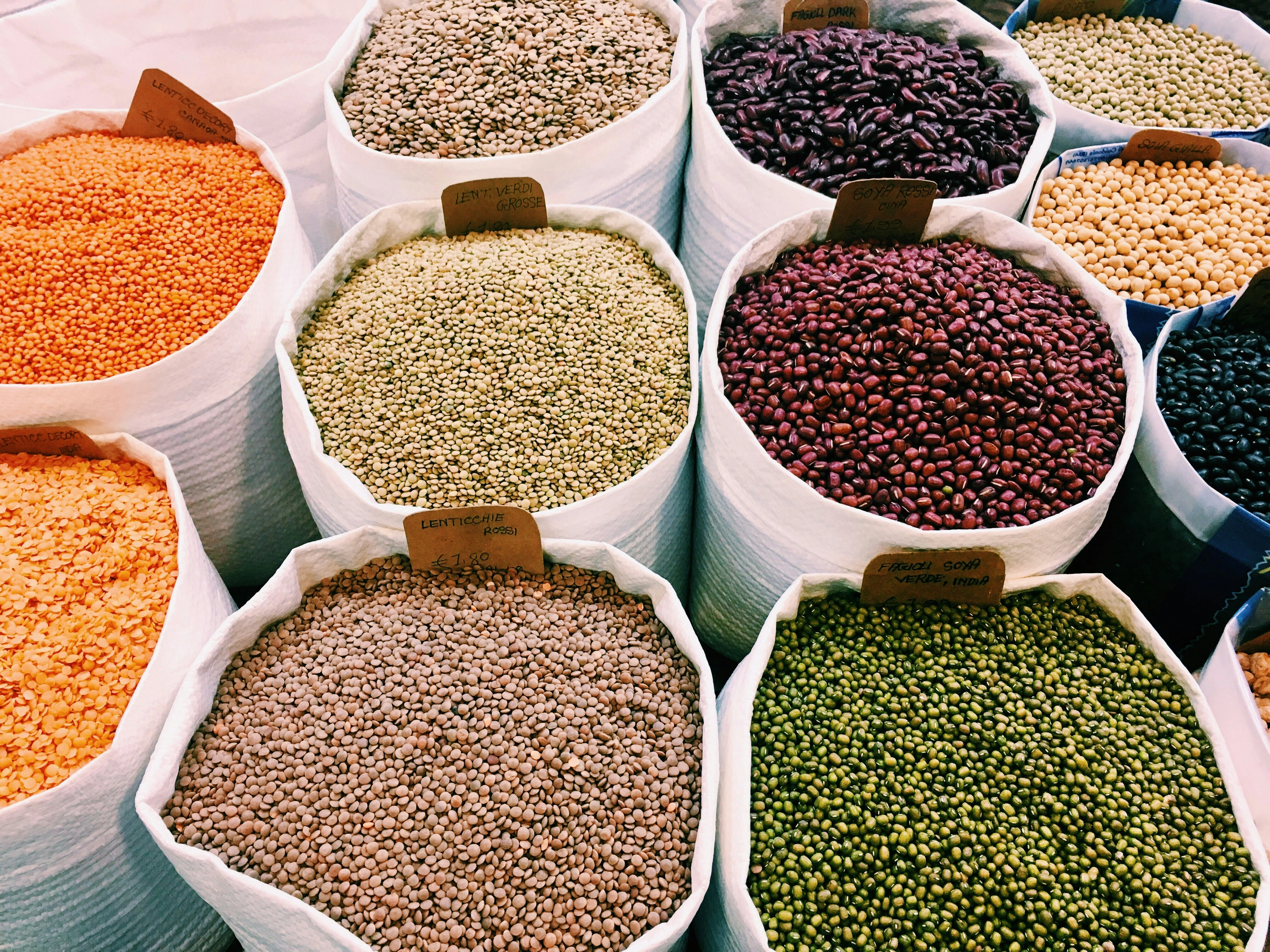
When it comes to the quest for high-protein foods in Indian cuisine, dal and rajma often take center stage. Both of these staples are not only integral to traditional meals but also provide significant nutritional benefits, making them popular choices among vegetarians and health enthusiasts alike. Dal, which refers to various types of lentils, is celebrated for its versatility and rich protein content. Lentils are a great source of plant-based protein, fiber, and essential vitamins and minerals. They can be prepared in numerous ways, from simple soups to elaborate curries, and are often paired with rice or roti, enhancing their nutritional profile.
On the other hand, rajma, or kidney beans, is another protein-rich food that is beloved in Indian households. Often cooked in a flavorful curry and served with rice, rajma holds a special place in many regional cuisines across India. Like lentils, kidney beans are packed with protein, fiber, and complex carbohydrates. They have a slightly different nutritional profile, offering higher amounts of certain micronutrients, such as iron and potassium, which are essential for maintaining energy levels and overall health.
When comparing the protein content of dal and rajma, both have their strengths. Generally, lentils contain about 18 grams of protein per cooked cup, while kidney beans offer around 15 grams. However, the choice between the two may depend on individual dietary needs and preferences. While dal is often easier to digest for some individuals, rajma’s heartiness and flavor make it a favorite comfort food for many. Additionally, both options provide a wealth of dietary fiber, contributing to digestive health and satiety.
Ultimately, dal and rajma each have unique benefits, making them valuable staples in an Indian diet. They can be easily incorporated into a variety of dishes, providing not just protein but also a rich array of flavors and nutrients. Whether you choose to savor a steaming bowl of dal or indulge in a hearty plate of rajma, both options offer a delicious way to meet your protein needs while enjoying the rich culinary heritage of India.