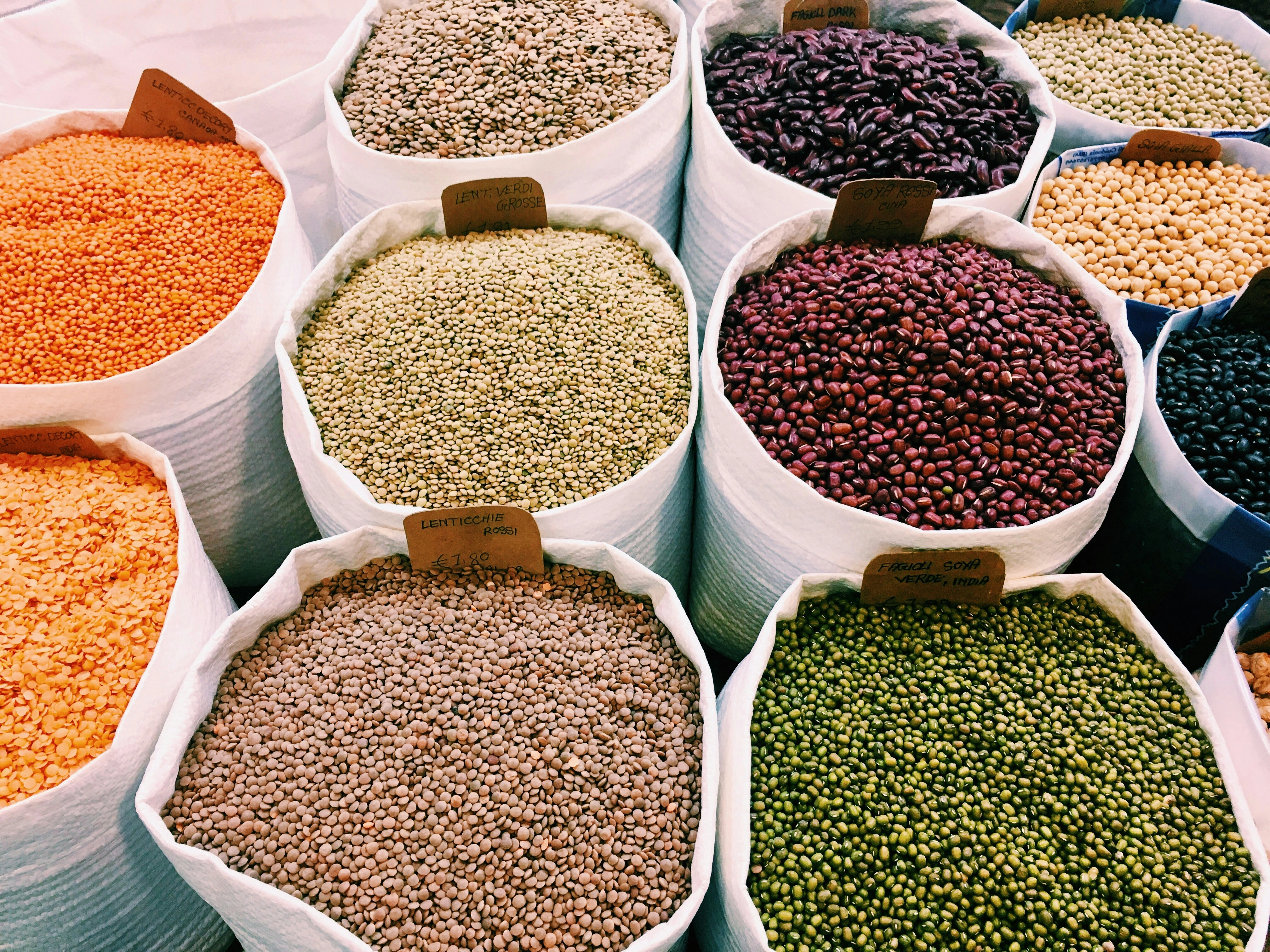
In the realm of Indian cuisine, dal and rajma stand out as two beloved staples, each celebrated for their unique flavors and nutritional profiles. Dal, which refers to lentils, is a cornerstone of Indian meals, known for its rich protein content and versatility in various dishes. Lentils are not only a great source of protein, but they also offer a wealth of fiber, vitamins, and minerals, making them an excellent choice for vegetarians and those looking to maintain a balanced diet. On the other hand, rajma, or kidney beans, is another protein-rich option that has carved its niche in Indian households, especially in North Indian cuisine. Rajma is often cooked in a spiced gravy and served with rice, creating a hearty meal that is both comforting and nutritious.
When comparing the protein content of dal and rajma, one finds that both offer impressive amounts. Generally, cooked lentils contain about 9 grams of protein per half-cup serving, while kidney beans provide slightly more, with approximately 11 grams of protein in the same serving size. This makes rajma a slightly superior option in terms of protein density. However, the choice between the two isn’t solely based on protein; each has its own unique set of health benefits. For instance, dal tends to be lower in calories and carbohydrates, while rajma is higher in iron and magnesium, contributing to overall health.
In addition to their nutritional benefits, both dal and rajma are incredibly versatile ingredients. Dal can be prepared in numerous ways, from simple boiled lentils with spices to elaborate dishes like dal makhani, which combines cream and butter for a rich flavor. Rajma, similarly, can be enjoyed in various forms, from classic rajma chawal (kidney beans with rice) to innovative adaptations in salads and wraps. The cooking methods and regional variations also play a significant role in how these legumes are enjoyed across India, further enhancing their appeal.
Ultimately, the choice between dal and rajma may come down to personal preference, dietary needs, and culinary traditions. Both are excellent sources of plant-based protein that can support a healthy diet. While rajma may edge out in terms of protein content, dal offers its own set of advantages that make it a staple in Indian kitchens. Incorporating both into one’s diet can provide a balanced array of nutrients and flavors, showcasing the richness of Indian cuisine while meeting dietary goals.