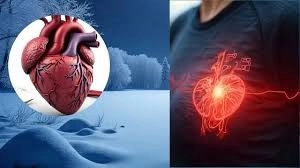
Cold weather has a significant impact on heart health, and understanding this connection is crucial for individuals, especially those with pre-existing heart conditions. When temperatures drop, the body works harder to maintain its core temperature, which can strain the cardiovascular system. Blood vessels constrict in response to the cold, leading to increased blood pressure and heart rate. This heightened demand on the heart can trigger serious events, such as heart attacks, particularly in individuals who may already be at risk due to factors like age, obesity, or previous heart issues.
Moreover, colder temperatures can lead to changes in lifestyle that further exacerbate heart health risks. For instance, people tend to be less active during the winter months, which can contribute to weight gain and a decline in overall cardiovascular fitness. Additionally, the holiday season often brings about dietary changes, with an increase in rich, high-calorie foods that can elevate cholesterol levels and blood pressure. The combination of these factors during the colder months creates a perfect storm for heart-related issues.
It is essential for individuals to take proactive measures to protect their heart health during the winter. This includes dressing warmly to maintain body temperature, engaging in regular physical activity suited for indoor environments, and being mindful of dietary choices. Regular check-ups with a healthcare provider can also help monitor heart health and manage any existing conditions. By recognizing the risks associated with cold weather and taking steps to mitigate them, individuals can better safeguard their cardiovascular wellbeing during the winter months.