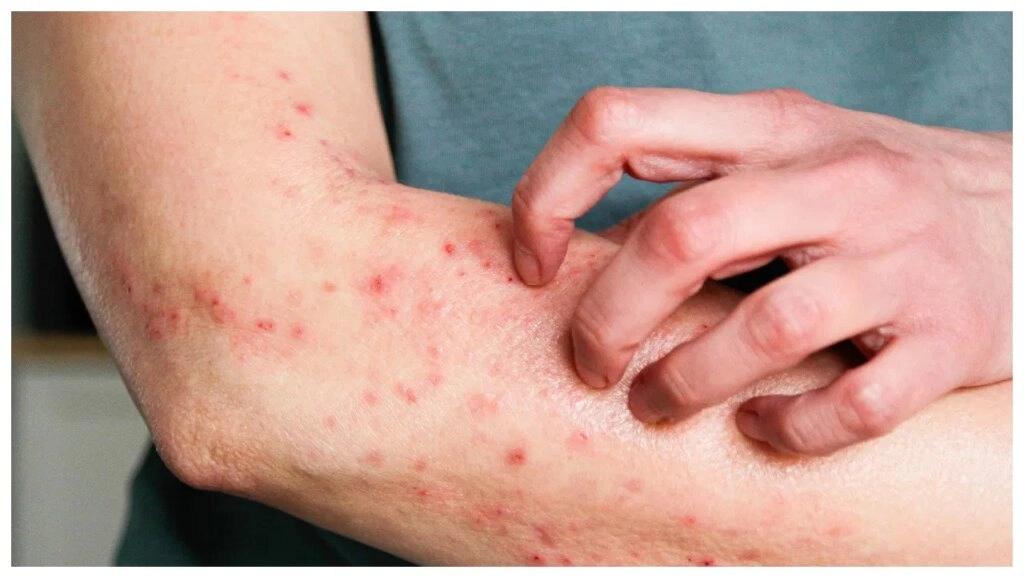
Air pollution has been a growing concern worldwide due to its detrimental effects on public health, and recent studies suggest that it may also play a role in triggering eczema in adults. Eczema, or atopic dermatitis, is a chronic inflammatory skin condition characterized by dry, itchy, and inflamed skin. While it is often associated with genetic factors and environmental allergens, emerging evidence indicates that exposure to pollutants may exacerbate the condition or even act as a trigger for its onset in some individuals.
Pollutants such as particulate matter, nitrogen dioxide, and sulfur dioxide are commonly found in urban environments and are known to provoke inflammatory responses in the body. These substances can penetrate the skin barrier and lead to increased oxidative stress, which may worsen eczema symptoms or contribute to the development of the condition in predisposed individuals. Additionally, air pollution can impair the skin’s ability to retain moisture, making it more susceptible to dryness and irritation—key factors in the exacerbation of eczema.
Furthermore, the relationship between air pollution and eczema is not limited to direct skin exposure. Inhalation of polluted air can also induce systemic inflammation, which may affect skin health. This is particularly concerning for adults who live in areas with high levels of air pollution, as they may experience more severe eczema symptoms compared to those in cleaner environments. As awareness of the impact of environmental factors on health grows, it becomes increasingly important to consider air quality as a potential contributor to eczema and other dermatological conditions in adults. Addressing air pollution through policy changes and individual actions may ultimately help alleviate the burden of eczema and improve overall skin health.