The AYUSH Ministry of India has taken a significant step towards enhancing the international recognition of traditional medicine by collaborating with the World Health Organization (WHO). This partnership aims to integrate traditional healing practices into global health systems, acknowledging the value of these time-honored approaches in promoting health and wellness. The move underscores a growing trend where nations are increasingly recognizing the importance of traditional medicine as a complementary resource alongside conventional medical practices. By working with the WHO, the AYUSH Ministry aims to establish a framework that supports the safe and effective use of traditional medicine, ensuring that it meets international standards of quality and efficacy.
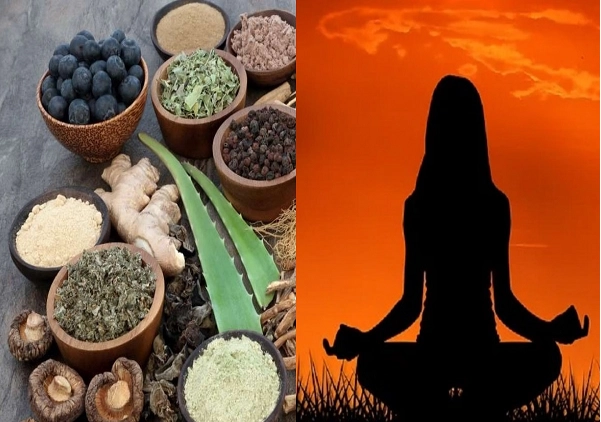
This collaboration is not just a bureaucratic maneuver; it represents a broader recognition of the role that traditional medicine can play in addressing contemporary health challenges. As the world grapples with various health crises, including the ongoing impacts of the COVID-19 pandemic, there is a pressing need for diverse approaches to healthcare. Traditional medicine, which encompasses a wide range of practices such as Ayurveda, yoga, and herbal therapies, offers valuable insights and solutions that can complement modern medical practices. By elevating the status of traditional medicine on an international platform, the AYUSH Ministry is working to create a more holistic approach to health that respects and incorporates indigenous knowledge and practices.
Moreover, this initiative aligns with the WHO’s efforts to promote the integration of traditional medicine into national healthcare systems, thereby enhancing accessibility and affordability for populations worldwide. The WHO has long recognized the significance of traditional medicine, particularly in low and middle-income countries where it often serves as the primary source of healthcare. By formalizing this relationship, the AYUSH Ministry is not only advocating for the Indian traditional medicine systems but also championing a global dialogue on the importance of diverse medical practices. This step could lead to increased research, funding, and training opportunities in the field of traditional medicine, fostering innovation while preserving cultural heritage.
In conclusion, the partnership between the AYUSH Ministry and the WHO marks a pivotal moment in the recognition of traditional medicine on the global stage. It reflects a commitment to promoting health equity and diversity in medical practices, which is essential in today’s interconnected world. As this initiative unfolds, it has the potential to transform how traditional medicine is perceived and utilized, paving the way for a more inclusive approach to health that honors both modern and ancient healing traditions.