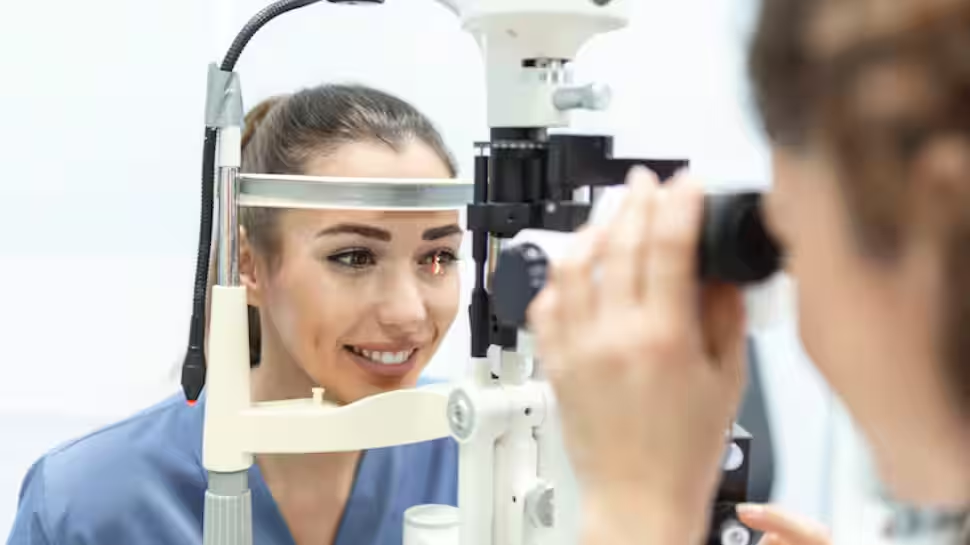
When individuals first notice vision problems, it’s common for them to dismiss the symptoms or delay seeking professional help. This can lead to more severe issues down the line. One frequent mistake is assuming that changes in vision are merely a sign of aging or fatigue, prompting them to self-diagnose or rely on over-the-counter solutions. However, ignoring these symptoms can result in the progression of underlying conditions, such as glaucoma or diabetic retinopathy, which may lead to irreversible damage if not addressed promptly. To avoid this pitfall, it is crucial to schedule an eye examination with a qualified optometrist or ophthalmologist as soon as vision changes are detected.
Another common error is relying too heavily on technology, such as smartphones and computers, without taking regular breaks. Many people experience eye strain from prolonged screen time, mistaking the discomfort for a minor issue that will resolve on its own. The blue light emitted by screens can contribute to digital eye strain, leading to symptoms like dryness, fatigue, and blurred vision. To mitigate these effects, it’s important to adopt the 20-20-20 rule: every 20 minutes, look at something 20 feet away for at least 20 seconds. Additionally, ensuring proper lighting and maintaining a suitable distance from screens can help protect your vision.
Lastly, some individuals may neglect the importance of protective eyewear in environments where their eyes are at risk. Whether working in construction, playing sports, or engaging in activities that could lead to eye injuries, failing to wear appropriate goggles or glasses can result in serious harm. To prevent these injuries, it’s essential to recognize when protective eyewear is necessary and to make it a habit to wear it consistently. By being proactive about eye health and addressing vision problems promptly, individuals can significantly reduce the risk of long-term damage and maintain optimal vision throughout their lives.